Thinking about selling your St. Mary’s County home in the next few months? You are not alone, and the sheer number of to-dos can feel overwhelming. With a clear plan, you can tackle legal must-dos, focus your budget on the highest-impact fixes, and launch with confidence. This guide gives you a practical 90-day pre-listing checklist tailored to St. Mary’s County, plus local resources that keep you compliant and market ready. Let’s dive in.
Market snapshot and timing
St. Mary’s County home prices have recently hovered in the low-to-mid $400Ks, with typical days on market measured in weeks. Monthly stats update often, so use current county data to set expectations on price and pace. Seasonality still matters here, and many sellers see stronger activity in spring and early summer.
Local demand also follows base-related moves. Naval Air Station Patuxent River is the area’s largest employer and a steady driver of buyer interest. Keep an eye on transfer windows and contractor hiring cycles, which can influence who is shopping and when. You can review the county’s top employers and economic base.
Legal to-dos in Maryland
Maryland disclosure or disclaimer
Maryland requires you to provide buyers with either a Residential Property Condition Disclosure or a Residential Property Disclaimer. If you do not deliver the form before contract acceptance, buyers may have rescission rights. Review the statute for exact rules in Md. Code §10-702.
Lead-based paint for pre-1978 homes
If your home was built before 1978, you must give buyers the EPA/HUD lead pamphlet and disclose any known lead-based paint information. Renovations that disturb painted surfaces must follow EPA RRP rules when contractors are used. Start with the EPA guide, Protect Your Family from Lead in Your Home.
Septic, wells, and perc records
Many St. Mary’s homes rely on private wells and onsite septic. Contact the St. Mary’s County Health Department early to confirm what records exist and whether a transfer evaluation or report is advisable. If a system needs work, the county administers Clear Water grants through the Bay Restoration Fund that can help fund BAT septic upgrades. Visit SMCHD for perc testing, septic records, and Clear Water program info.
Permits and land use
If you plan any structural repairs or additions, confirm whether permits are required through the Department of Land Use and Growth Management. SMCHD coordinates with LUGM on septic and onsite sewage matters, so check both as needed. Use SMCHD’s perc page to navigate to permit contacts and guidance.
Flood maps and insurance
Parts of St. Mary’s County sit in or near flood-prone zones. Check your property on FEMA’s National Flood Hazard Layer to understand flood zone status and how it may affect insurance or financing. Start with the FEMA flood map search.
Transfer and recordation taxes
Maryland assesses a state transfer tax and counties assess recordation and transfer fees. These vary, and exemptions can apply. Ask your title company or closing attorney for an itemized estimate so there are no surprises. For a helpful overview, see this summary of Maryland real estate taxes at closing.
Your 90-day pre-listing plan
60 to 90 days before listing
- Decide on pricing strategy and your agent. Interview an agent who knows St. Mary’s micro-markets and NAS Pax relocation cycles. Ask for a comparative market analysis and a 90-day prep plan.
- Start a whole-home declutter. Donate, sell, or pre-pack. Decluttering is one of the most important steps sellers take before listing, and it sets up easy staging later. NAR’s staging research backs this up in its 2023 staging profile.
- Plan repairs and gather quotes. Line up painters, handypeople, and specialty trades for small fixes like caulking, leaky fixtures, and loose railings. If you are on septic or well, contact SMCHD for records early, and confirm whether any planned work needs permits via LUGM. Use the SMCHD perc and septic page to get oriented.
- Consider a pre-listing inspection. A seller-paid inspection can surface issues you can fix on your schedule, reduce renegotiation risk, and signal transparency. Learn the benefits of a seller inspection from this pre-listing inspection overview. Aim to schedule about 2 to 8 weeks before you go live so you have time to address findings.
30 to 60 days before listing
- Knock out high-impact repairs. Prioritize safety items, leaks, damaged flooring, sticky doors, and peeling paint. Whole-house cleaning and minor fixes often make the biggest impression for the cost. NAR highlights these steps in its staging research.
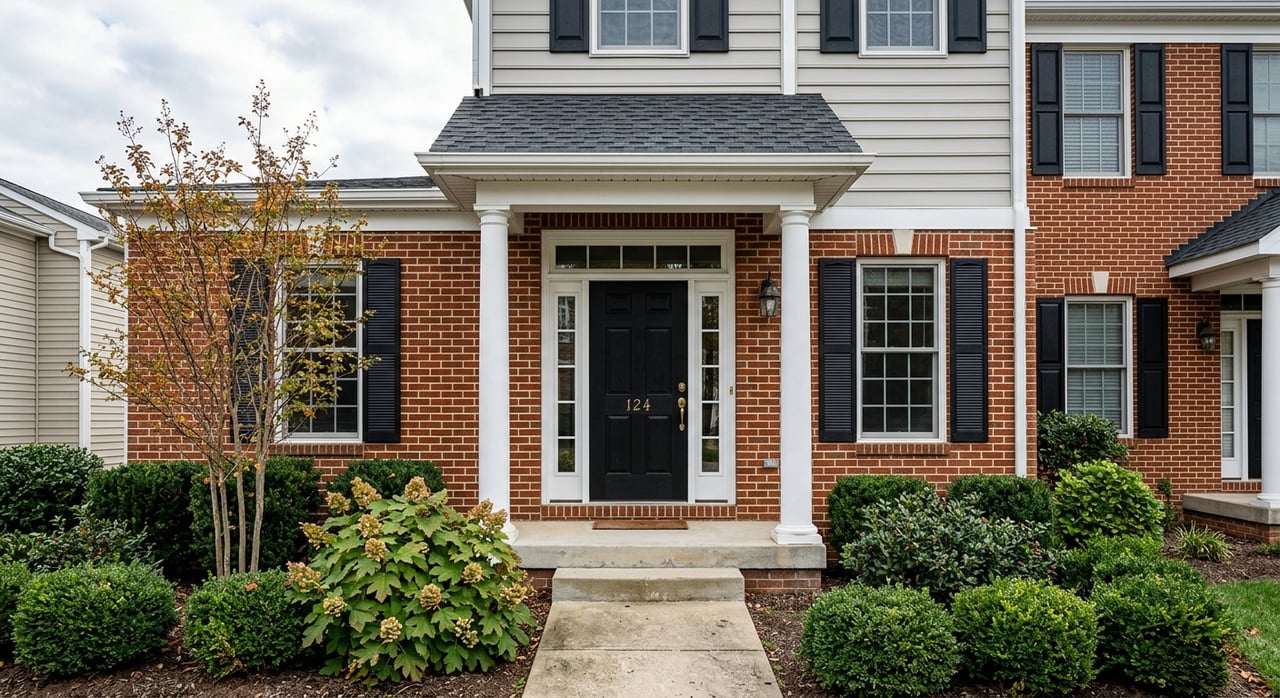
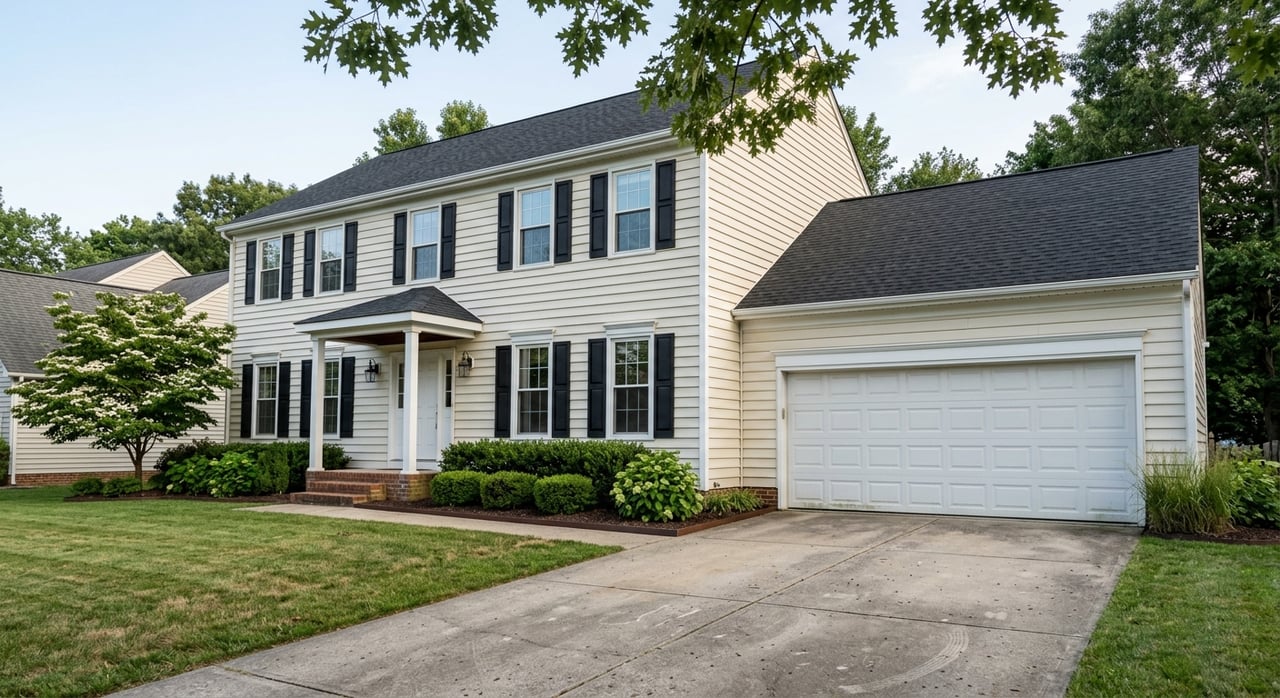
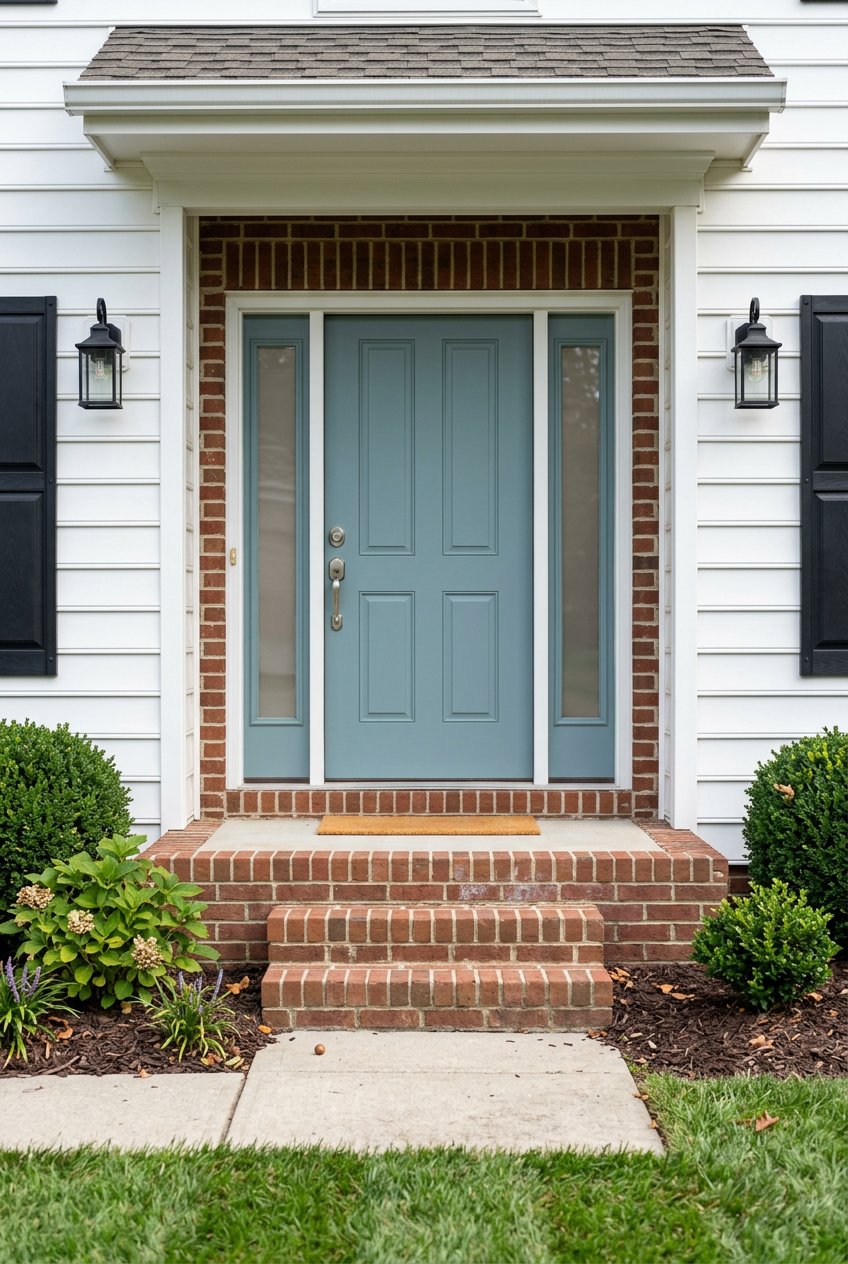
- Improve curb appeal. Mow and edge, trim shrubs, pressure-wash siding, refresh the front door and hardware, and replace a worn mailbox. Exterior upgrades often recoup well on resale. See typical recapture in the latest Cost vs. Value report.
- Set your staging plan and budget. Decide if you will use your agent’s guidance, hire a stager, or do targeted DIY. Focus on the living room, kitchen, and primary bedroom first. Median staging spends are often modest and can shorten days on market, according to NAR’s staging profile.
- Book photos and floor plans. Schedule professional real estate photography for right after repairs and staging, and consider a twilight or exterior session if weather allows. Buyers’ agents place high value on strong photos and clear floor plans, per NAR’s data.
0 to 30 days before listing
- Deep clean and depersonalize. Remove personal photos, clear counters, clean closets, and get carpets or floors professionally cleaned. Add fresh white towels, neutral bedding, and a few simple accessories to finish staging.
- Gather documents and disclosures. Complete the Maryland disclosure or disclaimer form, and collect repair receipts, appliance manuals, and warranties. If applicable, assemble septic service and well test records, any permit records for completed work, and Clear Water grant paperwork. Attach state disclosures to your listing packet per Maryland timing rules.
- Do a photo-day walkthrough. Check lighting, declutter one last time, and confirm the order of rooms for the photographer. Plan for fair-weather exteriors if you can.
- Launch with your agent. Confirm showing instructions, lockbox placement, and open house dates. Your listing will syndicate from Bright MLS to major portals for exposure, and your agent should monitor traffic and feedback during the first week.
Smart upgrades that pay off
Start with a budget-first mindset. The best returns usually come from low-cost, high-visibility improvements: decluttering, whole-home cleaning, neutral paint, updated lighting, and basic landscaping. NAR research underscores how these steps help buyers picture themselves in the home and may shorten time on market. Review the 2023 NAR staging findings.
If you want to invest beyond basics, rely on national Cost vs. Value guidance and align with your price range. Recent reports show strong recapture for garage and entry door replacements, as well as solid results for minor kitchen updates and siding or deck work. ROI varies by neighborhood and tier, so confirm with local comps before you spend. Browse typical recapture rates in the latest Cost vs. Value report.
Photo-ready checklist
- Clear flat surfaces and hide personal photos. Remove extra furniture to open sightlines.
- Touch up with neutral paint for a clean, fresh look that photographs well.
- Replace dim bulbs with daylight-balanced options. Add lamps to brighten corners.
- Boost curb appeal with mowing, edging, pressure-washing, and a new welcome mat. Potted plants add an inviting touch.
- Remove pet beds, crates, and bowls before showings and photos.
- Use pro photography and add a floor plan or virtual tour with clear room labels.
Resources for these steps can be found in NAR’s staging profile and the Cost vs. Value report.
Pre-listing inspection: when it helps
A pre-listing inspection is optional, but it can be a smart move if your home is older or you suspect deferred maintenance. Benefits include finding and fixing issues on your timeline, reducing buyer renegotiation leverage, and using the report to show transparency. Learn more from this pre-listing inspection guide.
Plan the inspection close enough to reflect current condition, but early enough to allow repairs. About 2 to 8 weeks before you go live is a practical window.
How a local agent adds value
A strong local agent brings pricing precision, vendor access, and calm coordination. Here is how that helps you:
- Pricing and timing. You get a data-driven CMA and insight into buyer pools, including how NAS Pax transfers and contractor cycles shape demand.
- Vendor network. Quick access to trusted contractors, septic and well specialists, stagers, pro photographers, and title pros saves time and stress.
- Marketing and negotiation. Your agent crafts a photo-forward listing, manages showings, gathers feedback, and negotiates with a clear strategy.
- Compliance and logistics. From Maryland disclosure timing to permits and flood disclosures, your agent keeps your file clean and on schedule.
Ready to list with confidence?
If you want a clear, step-by-step plan tailored to your timeline, reach out for a room-by-room prep consult and pricing review. You can also request an instant value estimate to start the conversation. Connect with Amy Scott to get your St. Mary’s County sale moving the right way.
FAQs
What should St. Mary’s County sellers fix first?
- Tackle safety items, leaks, peeling paint, damaged flooring, and sticky doors, then focus on cleaning, decluttering, and neutral paint for the widest impact.
Do St. Mary’s County homes need a pre-listing inspection?
- It is not required, but a seller-paid inspection can surface issues early, reduce renegotiation risk, and help you price and market with confidence.
How do septic and well systems affect a home sale in St. Mary’s County?
- Contact SMCHD early to confirm records and any needed evaluations; ask about Clear Water grants if upgrades are required and coordinate permits before listing.
When is the best time to list in St. Mary’s County?
- Spring and early summer often see more buyers, and base-related moves create additional windows of demand; balance seasonality with your personal timing.
What disclosures must Maryland home sellers provide?
- Maryland requires either a Residential Property Disclosure or a Residential Property Disclaimer; pre-1978 homes must also include EPA lead paint disclosures.
How do flood zones affect selling in St. Mary’s County?
- Check FEMA flood maps to confirm zone status; flood insurance needs can affect buyer financing and insurance costs, so disclose known details upfront.