You found a home you love in Calvert County, and now the pressure is on. In a market where the best homes can draw multiple offers, the way you structure your offer makes a real difference. You want to stand out without taking on unnecessary risk. In this guide, you’ll learn how to price smart, strengthen your terms, manage contingencies, and address local issues like wells, septic, and waterfront factors so you can write a confident, competitive offer. Let’s dive in.
What sellers prioritize in Calvert County
Sellers want certainty. Your offer should show you are qualified, serious, and ready to perform on time. In Calvert County, that means pairing a strong price with clean terms and a clear plan for local due diligence.
Price rooted in true comps
Price is the headline. Use recent comparable sales from the same neighborhood and with the same key features, especially for waterfront versus non-waterfront homes. County-wide averages are less helpful when water access, shoreline condition, or rural acreage materially affect value. A well-supported price tells the seller you did your homework and can defend your number.
Financing strength and proof
A full mortgage preapproval is far stronger than a quick prequalification. Your letter should be current, include your lender’s contact info, and identify the loan type so the seller can gauge timeline and appraisal requirements. If you are using cash or a large down payment, include proof of funds for the earnest money and down payment portion you will bring to closing.
Clean terms and timing
A complete, well-signed contract package signals reliability. Minimize unusual requests and be flexible on closing or occupancy when you can. In some cases, a seller may value a faster close or a short rent-back if they need time to move. Aligning with the seller’s timing can be the tiebreaker when prices are close.
Build a strong offer package
A tight, complete submission helps your offer rise to the top.
- Fully executed purchase contract with clear price and terms
- Recent mortgage preapproval letter or proof of cash
- Proof of funds for earnest money and down payment
- Proposed closing and possession dates
- Any necessary addenda, such as inspection or HOA documents
- Lender and settlement agent contact information, if known
- Buyer’s agent and broker contact information
Earnest money that shows commitment
Earnest money demonstrates seriousness. Typical ranges are often 1 to 3 percent of the purchase price, and some buyers increase that amount in competitive situations. Your deposit is usually held by the settlement agent or title company per the contract.
Contingencies that balance risk
Contingencies protect you and reduce surprises. In Calvert County, the inspection, appraisal, financing, and title contingencies are common and important. You can strengthen your offer by tightening timelines or narrowing scope, but always weigh the risk before you reduce protections.
Tactics to win in multiple offers
When competition heats up, consider these strategies and trade-offs.
Elevate your financing certainty
- Obtain a full preapproval with clear lender contact details and timeline guidance.
- Share strong proof of funds for your earnest money and down payment.
- Be ready to update documents quickly if the seller requests confirmation.
Use an escalation clause carefully
An escalation clause can automatically raise your offer above a competing bid up to a capped amount. It helps you stay competitive without overpaying right away. Some sellers do not prefer escalations, and the language needs to be precise about net price and documentation. Discuss this tool with your agent to confirm whether the listing side welcomes it.
Shorten windows or increase EMD
Shorter inspection, appraisal, or financing windows can show resolve and reduce seller uncertainty. Increasing earnest money also signals confidence. These steps add risk for you if unexpected issues arise, so set timelines you can truly meet.
Calibrated inspection and appraisal strategies
Waiving inspections or appraisal protections can make an offer very strong, but it increases your exposure. Consider middle-ground options, such as limiting an inspection to health, safety, or major structural items, or scheduling a pre-offer inspection when allowed. For appraisal, understand that waiving or partially waiving means you may need cash to cover any shortfall.
Flexible closing or occupancy
Accommodating a seller’s preferred timeline can be a win. A shorter close can appeal if your lender can meet it. In other cases, a seller might value a post-settlement occupancy agreement that gives them time to move after closing.
Calvert County due diligence you should address
Local property factors can make or break a deal if they are not handled early and clearly.
Septic systems and private wells
Many homes here use on-site septic and private wells. Ask for septic inspection and pump-out records, plus any permit or repair documents. Check with the Calvert County Health Department regarding any required inspections or certificates at transfer. Budget for potential repairs or upgrades, especially for older systems.
Flood risk and shoreline infrastructure
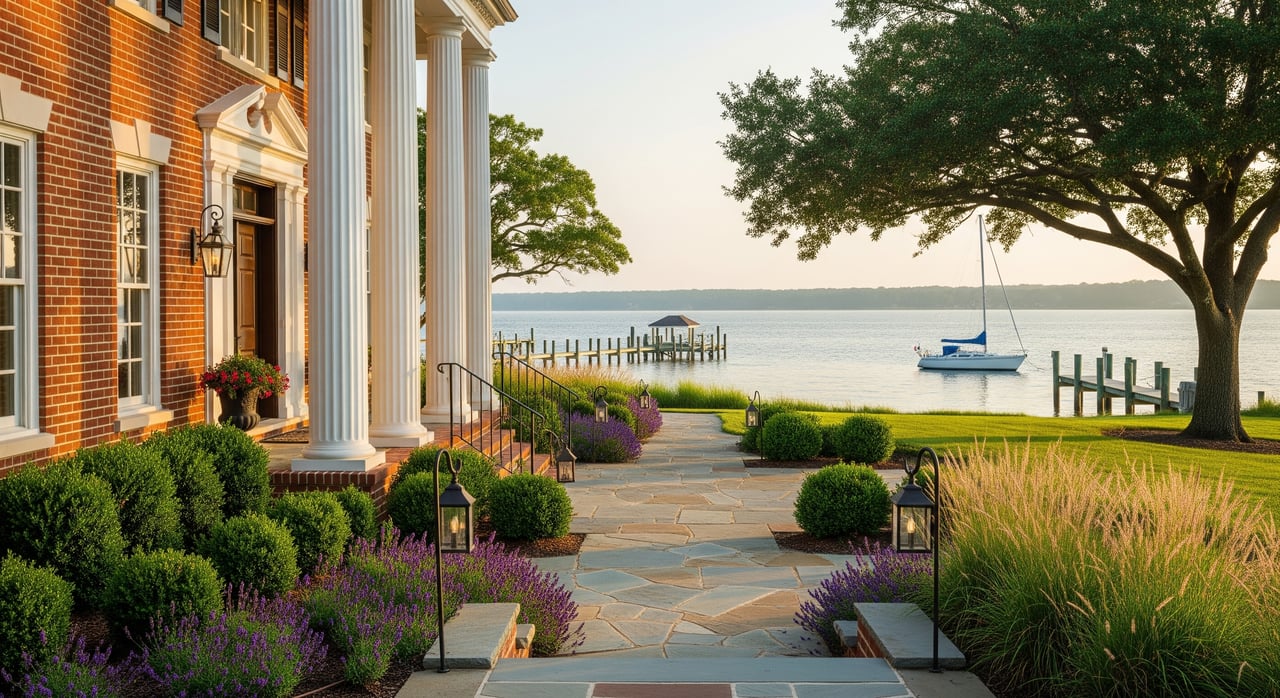
Waterfront and low-lying properties require flood due diligence. Review FEMA flood maps to understand insurance requirements and lender expectations. Inspect bulkheads, seawalls, docks, and riprap, since maintenance can be costly and may require county or state permits. A clear plan for flood insurance and shoreline condition can build seller confidence and protect your budget.
Maryland Critical Area and environmental rules
Properties near tidal waters may fall under the Maryland Critical Area program, which limits clearing, expanding impervious surfaces, and certain renovations. If you plan changes, clarify what is permissible before you commit. Sellers respond well when buyers show they understand these parameters.
Lead paint and older homes
Homes built before 1978 require federal lead-based paint disclosures. If you are purchasing an older home, consider appropriate testing and factor possible remediation into your inspection strategy and budget.
Title, easements, and covenants
Rural and acreage properties often have easements for access, utilities, or shared driveways. Subdivisions may include covenants or HOA rules. Ask for an early title commitment and review it carefully so there are no surprises late in the process.
Utilities and serviceability
Confirm access to and capacity of sewer or water if applicable, as well as internet options. Some rural stretches have limited broadband choices, which can affect your daily life and future resale.
Timeline from prep to close
Here is a practical path that fits Calvert County norms, with timing you can tailor to the property and your lender.
- Pre-offer: secure a full preapproval, collect proof of funds, and align strategy with your agent.
- Offer submission: provide the executed contract, preapproval or cash proof, any addenda, and preferred closing or occupancy dates.
- Inspection period: commonly negotiated, often about 7 to 14 days in many markets. Confirm what is customary for the specific neighborhood and property type.
- Appraisal and financing: stay in close contact with your lender and be ready to provide documents to keep things on track.
- Title review: address easements, covenants, and any permitting questions early to avoid last-minute issues.
- Closing: in Maryland, closings often run 30 to 45 days. In competitive situations, a shorter window, such as 21 to 30 days, can appeal if your financing supports it.
Negotiation tips that respect risk
- Respond quickly to counters. Speed and clarity help your case.
- Ask your agent to gather listing-side preferences, such as settlement agent or closing timeline.
- Do not overshare personal details. Keep communications professional and rely on the written contract.
- A short, respectful buyer letter may help in some cases. Keep it neutral and avoid any content that touches protected classes or could implicate Fair Housing concerns.
Sample offer strategies for common scenarios
Waterfront home with dock and bulkhead
Keep a strong inspection that covers shoreline structures, electrical service to the dock, and flood-related concerns. Verify flood zone status and likely insurance requirements. Consider a flexible occupancy or rent-back if the seller needs time to move boats and equipment. An escalation clause with a clear cap can keep you competitive while you complete due diligence.
Suburban single-family with septic and well
Submit a full preapproval, a competitive earnest money deposit, and a short but realistic inspection window that includes septic and well testing. Offer a closing date that matches the seller’s plan, and consider paying select customary fees if it helps your net price compete. Anchor price to recent neighborhood sales, not county-wide trends.
Rural acreage with easements
Emphasize your readiness to review title documents and easements quickly. Keep a standard inspection contingency, and consider an extended timeline only if complex title items are likely. Your credibility rises when you show a plan for verifying access, utilities, and any unpermitted structures.
Your next step
A winning offer in Calvert County blends strong pricing, proven financing, clean terms, and smart local due diligence. When you tailor your strategy to the property type and the seller’s priorities, you improve your odds without taking on unnecessary risk. If you want a calm, clear path from first showing to closing table, lean on a local, boutique team that knows how to balance competition with protection.
Ready to write an offer that wins and protects your budget? Reach out to Amy Scott for local guidance that puts your goals first.
FAQs
How much earnest money is typical in Calvert County?
- Custom varies, but a common range is 1 to 3 percent of the purchase price, with higher deposits sometimes used in competitive situations.
Should I waive the home inspection to win a Calvert County home?
- Waiving can help compete but adds risk, especially for septic, well, shoreline structures, or foundation issues; consider a limited or shortened inspection instead.
What does waiving the appraisal contingency mean for my budget?
- If the appraisal is low, you may need cash to cover the difference, so only consider waiving with strong financial capacity and a clear plan.
Are there special rules for waterfront homes in Calvert County?
- Properties near tidal waters may fall under the Maryland Critical Area program, which can limit clearing, expansions, and certain renovations.
Will my lender require flood insurance in Calvert County?
- If the home is in a high-risk flood zone per FEMA and your lender requires it, you will likely need a flood policy; confirm zone status early.
What inspections should I prioritize for rural Calvert properties?
- Focus on septic and well function, environmental or structural concerns for older homes, and title checks for easements or shared driveways.
Who pays Maryland transfer and recordation taxes at closing?
- These costs are negotiable and often split by local custom; your title or settlement agent can clarify current practices for your contract.