Thinking about selling in St. Mary’s County but unsure where to set your list price? You are not alone. Pricing feels high stakes because it is. You want strong offers, minimal days on market, and a smooth appraisal. In this guide, you will see exactly how we price homes locally so you can sell with confidence. Let’s dive in.
What drives price in St. Mary’s County
St. Mary’s County is not a one-size-fits-all market. You have waterfront enclaves, rural acreage with wells and septic systems, suburban neighborhoods, and historic town centers. Each segment attracts different buyers and follows its own pricing norms. A smart price accounts for your property type and the buyer pool looking for it.
The local economy and commute patterns matter too. Job centers in Southern Maryland and the DC region influence who buys here and how sensitive they are to price. The military presence at NAS Patuxent River creates distinct demand windows tied to permanent-change-of-station timelines, which can support faster activity and flexible closing needs.
If your home sits near water or in a mapped flood zone, buyers and lenders will evaluate flood risk, insurance availability, and long-term factors like tidal flooding trends. Rural properties on private well and septic can appeal to specific buyers and may price differently than similar homes on public water and sewer. Zoning, subdivision rules, easements, and lot size also affect usability and value.
Seasonality plays a role. Spring and summer are commonly more active, and military moves can create additional peaks. Mortgage rates shape affordability and list-to-sale price ratios. The exact rate environment changes, so we update the pricing conversation with current figures before you list.
Our pricing method: clear and local
We use a Comparable Market Analysis, or CMA, built from Bright MLS data for Maryland and the DC region. We examine recently sold homes, current competitors, and pending deals to pinpoint fair market value and the likely buyer pool.
How we choose comps
We start close to home. The best comps mirror your property in:
- Location and setting, including waterfront status and proximity to amenities
- Lot size and land features
- Bedrooms, bathrooms, and finished square footage
- Age, construction quality, and updates
- Condition, curb appeal, and systems
- Garage, outbuildings, and basement finish
- Utilities, such as public water/sewer versus well/septic
- Days on market and sale-to-list ratios
We prioritize closed sales from the past three to six months. When the immediate area is thin, we expand the radius to similar settings and explain the adjustments we make. We also study active listings to see your competition and pending sales to gauge momentum.
Adjusting for differences
No two homes are identical. We adjust comp prices for features your home has that others do not, and vice versa. A renovated kitchen, refreshed systems, or standout curb appeal can improve your position. Deferred maintenance or safety issues usually require pricing that reflects the work a buyer will need to do.
Condition is often the biggest driver. A move-in ready home, well staged and cared for, typically attracts a wider buyer pool and can command a premium. A home that needs updates or repairs can still sell well when priced with clarity and confidence.
Price is a marketing tool
Your list price is more than a number. It sets expectations, defines the buyer pool, and positions you among competing homes. Market value comes from recent buyer behavior, not a tax assessment or emotional attachment. The right price helps buyers find you, tour, and write clean offers that stand up to appraisal.
Choosing your pricing strategy
You have options. We help you weigh your timeline and net goals, then pick a path.
- Market-value pricing: List near fair market value to meet buyers where they are. This often balances speed and price while supporting a strong appraisal.
- Aggressive pricing: List slightly below market to spark attention and potential multiple offers. This can reduce time on market but risks leaving money on the table.
- Aspirational pricing: List above market when supply is tight and demand is strong. This may win a higher sale price if the market supports it, though it can increase days on market and appraisal risk.
- Psychological pricing: Think in buyer search bands and thresholds, such as choosing an odd number just below a round figure or aligning with common filter ranges. Effectiveness varies by segment, so we use local data to guide the choice.
We discuss the pros and cons of each path and align your strategy with your priorities: fastest sale, highest probable price, or a balance of both.
From analysis to action: our step-by-step plan
Here is how we price and prepare your listing from day one:
- Collect property facts. We verify deed and assessor data, utilities, floor plan, upgrades, lot details, HOA rules, and any flood zone information.
- Run the market scan. We pull sold, pending, active, and expired listings from Bright MLS to see value, competition, and trends.
- Calibrate comps. We adjust for condition and features, then present a suggested list-price range with the rationale.
- Test sensitivity. We model how different prices could impact days on market, the number of likely offers, and appraisal support.
- Build your net sheet. We estimate closing costs, transfer taxes, commissions, prorated taxes, and projected proceeds across scenarios.
- Advise on prep. We recommend cost-effective repairs, pre-list checks, staging tweaks, and documentation that can improve your net.
- Finalize plan. We select the list price, launch marketing, and agree on metrics and timing for an adjustment if the market response is soft.
What affects your net proceeds
Sellers usually cover certain closing costs. These can include real estate commissions, Maryland and county transfer costs, prorated property taxes, payoff of liens, and repairs agreed to in the contract. The exact amounts depend on your contract and local rules. That is why we create a detailed seller net sheet before you list and update it as offers come in. We also recommend confirming current rates and fees with a local title company or closing agent.
Prep that moves the needle
You do not need to overhaul everything to win on price. Focus on visible, high-impact items buyers notice first:
- Declutter and deep clean living areas and storage spaces
- Refresh paint in neutral tones and improve lighting
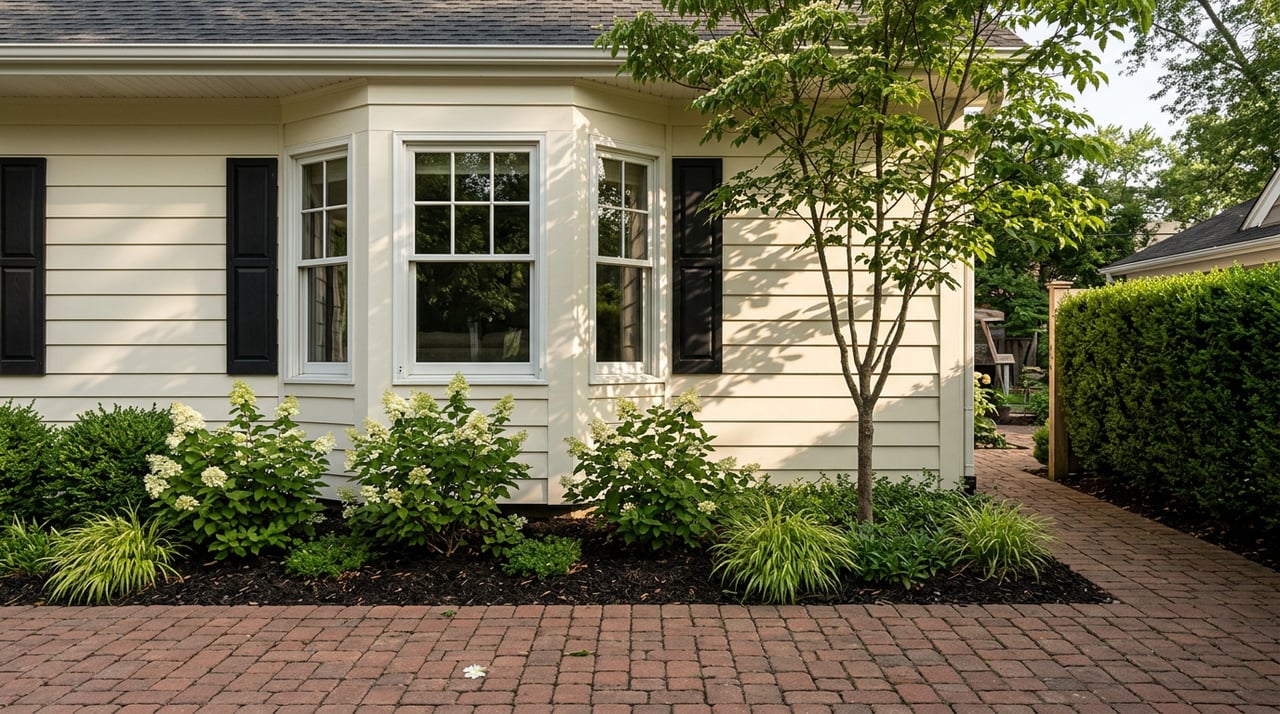
- Tidy landscaping and improve curb appeal
- Address safety items and obvious deferred maintenance
- Ensure major systems are functioning as intended
For homes built before 1978, federal rules require a lead-based paint disclosure. Waterfront properties benefit from up-to-date records for docks and bulkheads, erosion control, and permits. If your property relies on well and septic, having recent service or inspection information available can build buyer confidence and support your price.
Pre-list inspections can be a smart move. They help uncover issues early, inform pricing with fewer surprises, and provide documentation that may shorten negotiations.
Appraisals and your list price
Appraisers use closed sales and market data to determine value. They do not rely on list prices. If you price well above supportable comps, you increase the chance of an appraisal gap with a financed buyer. When gaps occur, buyers and sellers typically renegotiate price, adjust cash at closing, or both.
In a fast-moving market, strong pending and recent sales can help support higher values. But this is case by case. We review appraisal risk with you before you go live so you can choose a price that fits your goals and the data.
After launch: read the market and adjust
We agree on clear benchmarks before listing so everyone knows what success looks like. We monitor:
- Showings per week and online viewing activity
- Feedback from buyers and their agents
- Offer quality and timing
If response is weaker than expected, we act. Options include adjusting price toward the fair market midpoint, enhancing marketing and staging, or offering targeted concessions. We also set predefined evaluation windows so changes are timely and data-driven.
Special property types to price well
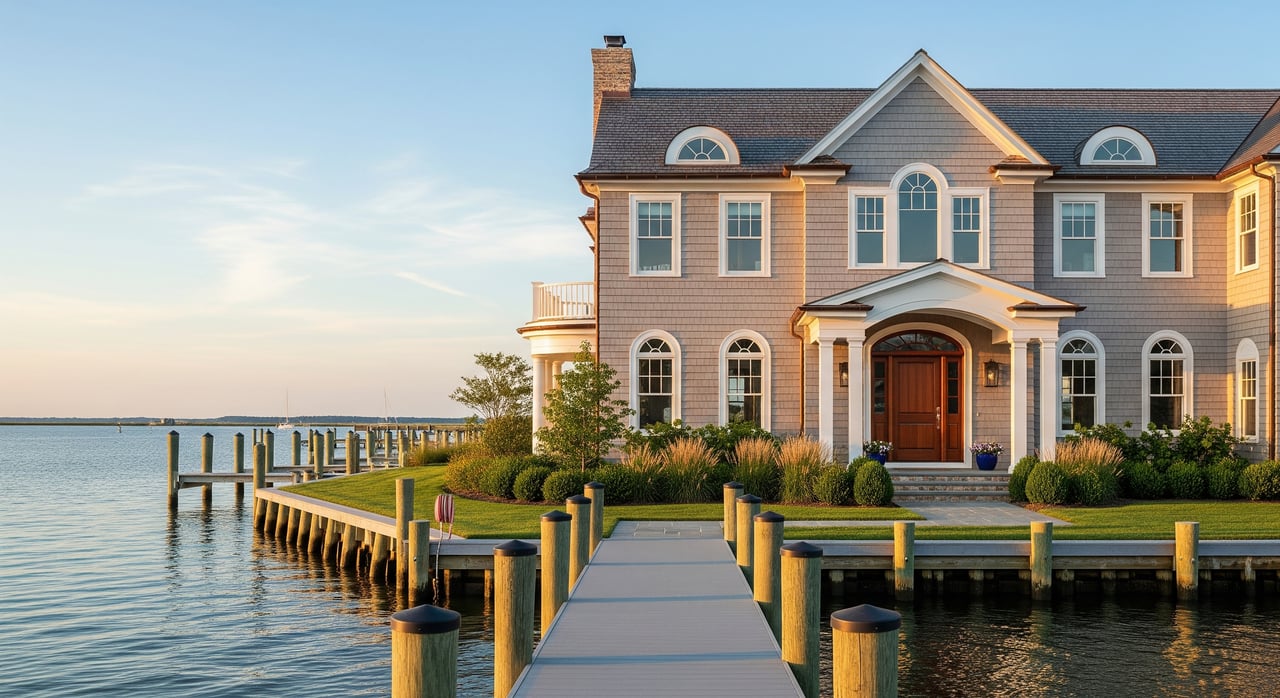
- Waterfront and riparian: Water access and views can command a premium. Flood-prone lots, limited insurance options, or bulkhead and dock issues can reduce value. Up-to-date permits and maintenance records help buyers feel confident.
- Historic homes: Preservation rules, specialized maintenance, and a smaller buyer pool can affect pricing and time on market. We reflect that carefully in your CMA and strategy.
- Rural and acreage: Land use, accessibility, well and septic systems, and any potential for subdivision (if permitted by zoning) influence value. We select comps that mirror these attributes.
- New construction: Pricing often aligns with current build costs and nearby new-home sales. We validate builder incentives and appraisal support before setting your number.
Legal and disclosure essentials in Maryland
You must provide standard property condition disclosures required in Maryland. For homes built before 1978, include the federal lead-based paint disclosure. Maryland and St. Mary’s County transfer taxes and recording fees apply, with specifics best confirmed by a title company or county office before listing.
Assessed values from the county are for tax purposes and can lag the market. Treat the assessment as background information, not as your pricing target.
Your next steps
Pricing your St. Mary’s County home is about clarity and confidence. When you pair a data-backed CMA with a preparation plan and a clear strategy, you attract qualified buyers and protect your net. If you are thinking about selling, start with a quick valuation and a conversation about timing, demand windows, and the best price band for your property.
Ready to price your home to sell well? Reach out to Amy Scott for a local CMA and a step-by-step plan tailored to your property.
FAQs
How do you pick comps in St. Mary’s County’s rural and waterfront areas?
- We prioritize recent closed sales that match location, lot type, and key features, then expand the search carefully and explain adjustments when identical comps are limited.
What if my St. Mary’s County home appraises below the contract price?
- Buyers and sellers often renegotiate price, adjust cash to close, or both; pricing in line with strong comps reduces this risk.
Should I list high to leave room to negotiate in St. Mary’s County?
- Overpricing can reduce showings and prolong time on market; data-driven pricing typically delivers better offers and cleaner appraisals.
Will staging and small repairs increase my sale price in St. Mary’s County?
- Often yes; decluttering, fresh paint, curb appeal, and addressing obvious issues improve first impressions and support stronger offers.
How soon should I reduce price if I do not get offers in St. Mary’s County?
- We set pre-agreed check-ins, typically within a few weeks in active conditions, and adjust based on showings, feedback, and comparable activity rather than calendar time alone.
How do closing costs in Maryland affect my net proceeds when selling in St. Mary’s County?
- Sellers usually cover commissions, transfer and recording costs, prorated taxes, and any agreed repairs; your net sheet will show estimates for each price scenario.
Can I rely on my St. Mary’s County tax assessment for pricing?
- Use it only as background; recent market comps determine value and assessments can lag current market conditions.