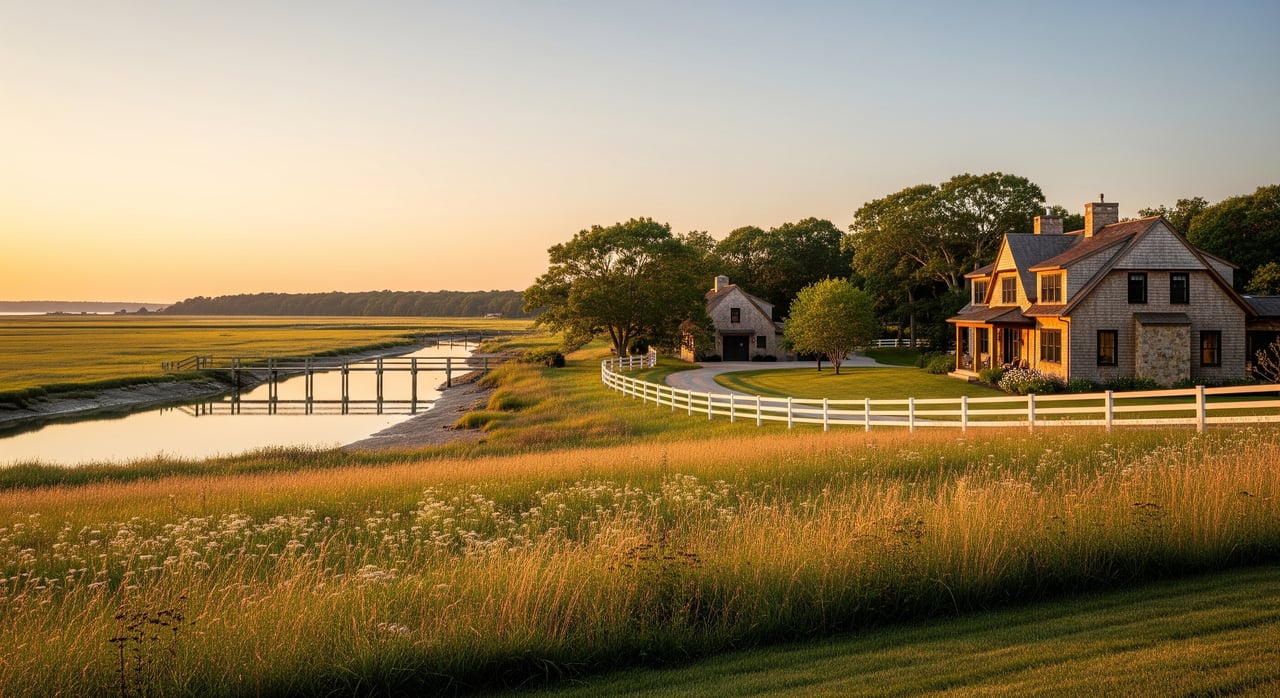
Craving more space, privacy, and room for your hobbies? Owning acreage in Calvert County can give you that lifestyle, plus easy access to the Chesapeake Bay and small-town charm. It also comes with unique rules, maintenance, and planning steps you will want to understand before you buy. In this guide, you will learn what day-to-day life on land looks like, the permits and programs that shape what you can build, and a clear checklist to make smart, confident decisions. Let’s dive in.
Calvert County acreage at a glance
Calvert County sits on Maryland’s western shore of the Chesapeake Bay, between Anne Arundel County to the north and St. Mary’s County to the south. You will find a mix of waterfront parcels, wooded tracts, and open land near creeks and headwaters. Popular landmarks like Solomons Island and Calvert Cliffs State Park attract boaters, anglers, and beachgoers.
Lots marketed as “acreage” typically range from small hobby-farm sites of about 1 to 3 acres to rural tracts of 5 to 50 or more acres. Parcels near the Bay or with steep slopes often have added environmental limits. Commutes to Washington, D.C. or Annapolis can be longer than suburban norms, so many acreage owners work locally or telecommute.
Rules that shape what you can do
Zoning and permitted uses
Every parcel in Calvert County has zoning that governs what you can build and how you can use the land. Zoning outlines setbacks, lot coverage, and where you can add barns, garages, or keep animals. For parcel-specific answers, contact the Calvert County Department of Planning & Zoning and review the zoning map and ordinance before you make plans.
Critical Area and wetlands near the Bay
Land within 1,000 feet of tidal waters or tidal wetlands falls under Maryland’s Chesapeake Bay Critical Area program. These rules limit clearing, manage lot coverage, and require shoreline buffers. Start with the Maryland Critical Area Commission for program guidance and then confirm requirements for your specific site.
Tidal and nontidal wetlands are also regulated at the state level. Permits may be needed for activities like grading, docks, or any fill. The Maryland Department of the Environment provides standards and permit information.
Wells, septic, and required setbacks
Many acreage homes rely on private wells and on-site wastewater systems. You will want to confirm the age and permit status of the septic, pump records, well location, and recent water quality results. Setbacks between wells, septic systems, structures, and property lines apply. For rules and testing protocols, check with the county health authorities and the Maryland Department of the Environment.
Forest conservation and tree clearing
Clearing land for a house site, subdivision, or large outbuilding can trigger forest conservation and erosion control requirements. Some projects require plans and permits before any soil disturbance. For statewide guidance, review the Maryland DNR Forestry resources and coordinate with county staff on thresholds and approvals.
Easements, rights-of-way, and tax programs
Rural parcels often include utility easements, shared drive agreements, or conservation easements that affect where you can build or whether you can subdivide. Always review the deed, plat, and recorded instruments for the property. If you plan farm use, you may qualify for agricultural assessment programs that can reduce property taxes. Learn more at the Maryland Department of Assessments and Taxation and the Maryland Agricultural Land Preservation Foundation.
Daily life on land: what to expect
Utilities, broadband, and service access
Electric service in much of Southern Maryland is provided by Southern Maryland Electric Cooperative. Confirm provider and service levels for the exact address with SMECO. Natural gas is less common in rural areas. Broadband availability varies by location, with fiber and cable more typical near town centers and fixed wireless or satellite options in remote areas. Always verify internet options for the specific parcel.
Driveways and private road care
Long driveways are common. Expect regular gravel grading, pothole repair, and culvert upkeep to handle stormwater. In winter, you are usually responsible for plowing. If access crosses a shared private road, ask for maintenance agreements and typical annual costs.
Septic and well upkeep
Plan for routine septic pumping and periodic inspections. Well systems need occasional disinfection, pump service, and water testing. Older or failing systems can be costly to replace and will require permits. Keep records and build maintenance into your annual budget.
Fencing, gates, and animal planning
If you plan to keep animals, price out fencing that fits your use. Deer fencing, horse fencing, and small-livestock setups vary in cost and labor. Zoning can set animal density limits and setback rules, so check codes before you build.
Wildlife and pests
You will likely see deer, foxes, raccoons, and a variety of birds. In warm months, ticks and mosquitoes are common in Maryland. Simple strategies like trail clearing, landscape management, and appropriate repellents can reduce exposure.
Insurance and risk checks
Insurers consider distance to fire services, flood risk, and any agricultural or equestrian activity. Waterfront or low-lying parcels may require flood insurance. Check the FEMA Flood Map Service Center for flood zone status and clarify coverage with your insurer.
Lifestyle benefits and common uses
- Hobby farming with gardens, small livestock, or a greenhouse
- Equestrian activities such as riding arenas or private boarding, where permitted
- Woodland management for firewood, habitat, or selective timber harvest
- Waterfront recreation like crabbing, fishing, and kayaking where access is allowed
- Privacy for outdoor living, storage, or home-based projects
A smart buyer’s due diligence checklist
Use this list to organize your research before and during showings:
- Confirm zoning and permitted uses with the Calvert County Department of Planning & Zoning.
- Review the deed, plat, and any recorded easements or conservation restrictions.
- Verify well yield and recent water quality results. Map the well and septic locations on site.
- Confirm septic permit status, system age, and pump/inspection records.
- Check if the parcel sits in the Chesapeake Bay Critical Area or in a mapped flood zone. Use the FEMA Flood Map Service Center for flood mapping.
- Order a current boundary survey. Stake lines if needed before building.
- Ask about any timber harvests or existing forest management plans.
- Verify utility providers and broadband options. Confirm speeds and installation costs in writing.
- Ask insurers how the address affects premiums, including distance to fire services and flood risk.
- Evaluate driveway length, surface, drainage, and any shared road agreements.
- If you plan animals or agritourism, confirm density limits, manure management, and permit needs.
- Review soils for septic and erosion suitability using the USDA NRCS Web Soil Survey.
- Explore agricultural assessments or preservation programs with the Maryland Department of Assessments and Taxation and MALPF.
Quick on-site checklist for showings
- Well and septic paperwork present and consistent with what you see on the ground
- Utility providers, internet options, and cell coverage confirmed by address
- Driveway condition, drainage patterns, and snow access plan
- Evidence of wetlands, steep slopes, or shoreline buffers that limit future work
- Any posted easements, gates, or neighbor access across the parcel
- Recent survey flags, boundary markers, or clear corners
Is acreage living a fit for you?
If you value space, privacy, and outdoor freedom, Calvert County acreage can be a great match. You gain room for hobbies and waterfront recreation, and you can shape the land to your goals within local rules. The tradeoff is more hands-on maintenance, careful permitting, and a slower pace of services than dense suburbs. With the right plan and a trusted local guide, you can buy with confidence and enjoy the rewards for years.
Ready to explore acreage in Calvert County or assess a parcel you already love? Reach out to Amy Scott for a practical game plan, local insights, and buyer representation tailored to your goals.
FAQs
Do Calvert County acreage homes usually have public water and sewer?
- Many rural parcels use private wells and on-site septic systems, so you should confirm well yield, water quality, and septic permits during due diligence.
What permits do I need for a barn, garage, or accessory dwelling?
- Most outbuildings require permits, and zoning sets setbacks and allowed sizes; verify parcel-specific rules with county Planning and Zoning before you design.
Are there special rules for waterfront or near-shore parcels?
- Yes, Critical Area rules and wetlands protections can limit clearing, lot coverage, septic placement, and shoreline work; start with the Maryland Critical Area Commission and confirm with local staff.
How good is broadband on rural land in Calvert County?
- Service varies by address; some areas have cable or fiber while others rely on fixed wireless or satellite, so always verify providers and speeds for the specific property.
What yearly maintenance should I plan for on acreage?
- Expect septic pumping and inspections, well testing, driveway grading and snow removal, tree and fence work, and general stormwater upkeep along ditches and culverts.
How do I check flood risk before I make an offer?
- Look up the address on the FEMA Flood Map Service Center and ask your insurer how the zone affects coverage and pricing.
Are there tax benefits if I farm part of my land?
- Some properties can qualify for agricultural assessment or preservation programs; review eligibility with the Maryland Department of Assessments and Taxation and MALPF.