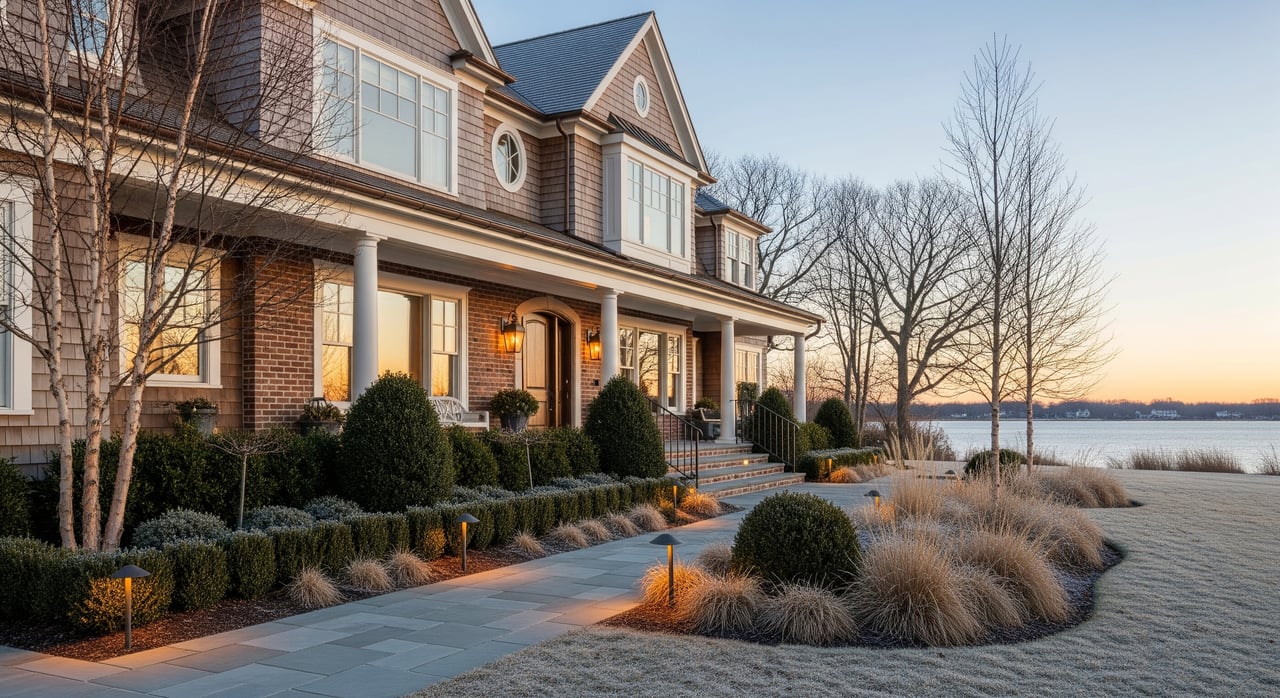
Is your yard looking tired now that the leaves are gone? You are not alone. Winter in Calvert County brings gray skies, chilly rains, and the occasional ice or snow, which can make curb appeal feel tricky. With a few smart moves that fit our Chesapeake Bay climate, you can make your home feel warm, safe, and welcoming. This guide gives you clear steps, plant ideas, and project timelines so you can boost curb appeal without wasting time or money. Let’s dive in.
What winter means here
Calvert County winters are relatively mild compared with the Midwest or New England, but you still see freezes, ice, and occasional snow. The Chesapeake Bay moderates temperatures and adds humidity, and properties near the water can experience light salt spray. Freeze and thaw cycles can crack surfaces and stress paint and caulk, so durable materials matter. A good winter plan puts safety first, then layers in structure, color, and simple, high-impact updates.
Make access safe and clear
Keeping the path to your door safe is the top winter curb appeal move. Shovel or sweep promptly and use low-impact deicers near lawns and planting beds. For traction, sand is a helpful option, and you should sweep up excess after melt. Avoid piling snow against foundations or shrubs, which can trap moisture and cause damage.
Good lighting helps visitors and delivery drivers. Use warm LED path lights and step lights on timers or photocells so they turn on at dusk. Make sure house numbers are big, clean, and visible at night. Add non-slip mats and check that water drains away from your entry, not across it.
Color and structure that pop
In winter, strong shapes and textures do the heavy lifting. Focus on evergreens, berry color, bark and twig interest, and tidy bed lines.
Evergreen backbone
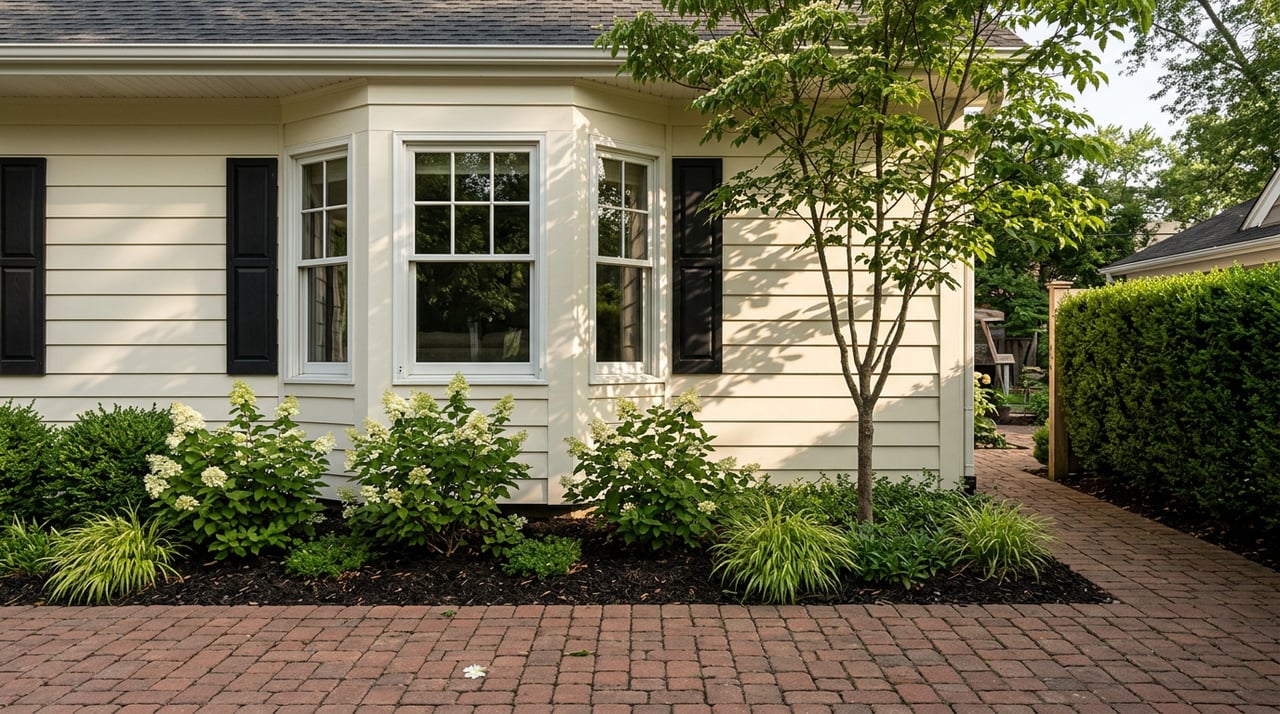
Evergreens create year-round structure along the foundation and near the entry. Boxwood, mountain laurel, and rhododendron offer broadleaf green mass. For vertical accents or screening, try arborvitae, eastern redcedar, or dwarf conifers. Choose disease-resistant cultivars and give plants a little breathing room from the foundation.
Berries and bright twigs
Deciduous hollies, such as winterberry, bring bold red berries in winter. Plant a male pollinator nearby to ensure fruit set. Red-twig dogwood adds striking stem color when leaves are gone. Small trees like crabapples that hold fruit can add interest and support local wildlife.
Grasses and seedheads
Ornamental grasses such as switchgrass and Miscanthus keep their form through winter and look beautiful with frost. Perennials like coneflower have attractive seedheads that add texture. Leave stems standing until late winter, then cut them back to make way for spring growth. This approach adds visual interest and provides shelter for wildlife.
Containers that last
Cold-season containers make a big impact by your front door. Pansies and violas tolerate cool temperatures in our area, especially in late winter and early spring. Mix in evergreen boughs, ornamental kale, and dried seedheads for texture. Use containers with good drainage and insulate roots during extreme cold.
Coastal and salt-smart picks
If you are near the Bay, choose plants and materials that handle light salt exposure. Eastern redcedar, some hollies, and yews tend to perform better in these conditions. Consider non-corrosive fixtures and hardware to reduce rust from salt air. This keeps your exterior looking fresh longer.
Hardscape and lighting upgrades
Lighting goes a long way in winter. Warm LED path lights, step lighting, and subtle uplighting on a specimen tree can make your home feel welcoming and safe. Set timers or photocells so you do not have to think about it. Motion-activated security lights add another layer of convenience.
Your front door is the focal point. A fresh coat of paint, updated hardware, and a clean, simple wreath add instant polish. Replace a leaning mailbox and upgrade house numbers with backlit or reflective styles so they read clearly at night. Consider resurfacing slick or cracked sections of walkway with textured pavers and ensure proper drainage to handle freeze and thaw cycles.
Bay-friendly maintenance
Mulch beds with a fresh 2 to 3 inches in late fall to insulate roots and clean up edges. Keep mulch away from trunks and stems. Prune out dead or damaged wood for a tidy look, and save heavy pruning for late winter or early spring. Winterize irrigation, store hoses, and clear gutters and downspouts so water flows away from the house.
Protect local waterways by minimizing fertilizer use in late fall and winter. Reduce rock salt near plantings and turf, and sweep up excess abrasives after storms. If you are working on a slope, consider native plants to slow runoff and improve infiltration. These simple steps protect both your yard and the Chesapeake Bay.
Project ideas by budget
Quick wins: 1 day to 1 week
- Pressure-wash the walkway and porch when conditions allow.
- Repaint the front door and refresh the welcome mat.
- Repair or replace the mailbox and update house numbers.
- Clear leaves and debris from beds and add fresh mulch.
- Set seasonal containers by the entry and install path lights on timers.
Mid-range upgrades: 1 to 3 weeks
- Plant foundation evergreens or a specimen tree during early fall or early spring. Use winter containers and protective wraps if you are holding off on planting.
- Replace small sections of walkway with textured pavers for traction.
- Install durable outdoor lighting and motion-activated fixtures.
Bigger investments: multi-week
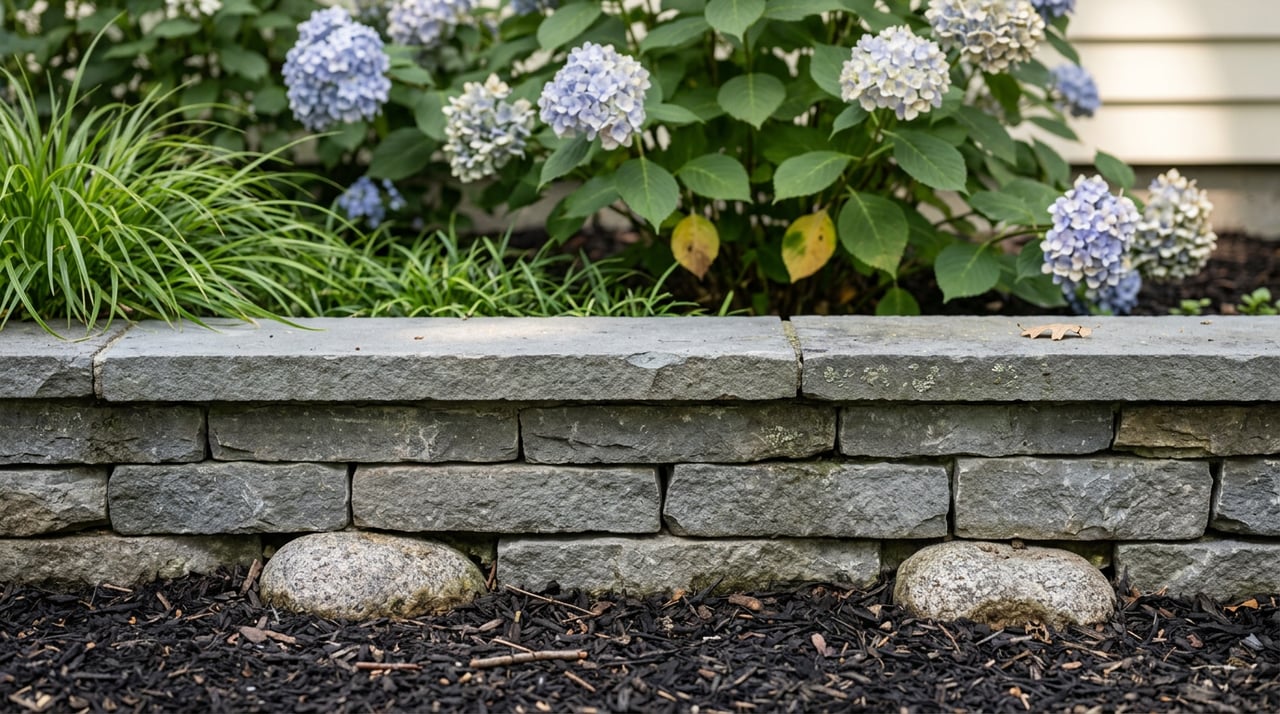
- Regrade for better drainage, install a new driveway, or build a retaining wall. These projects may require permits depending on scope.
- Work with a landscape designer to build a year-round plan that is friendly to Bay watershed goals.
Before starting major work, check Calvert County Planning and Zoning rules for permit thresholds. If you live in a neighborhood with an HOA or in a historic district, review exterior guidelines and submit approvals as required.
Seasonal timeline
- Late summer to early fall: Plant most shrubs and perennials, repair hardscape, and apply mulch.
- Late fall: Winterize irrigation, store hoses, insulate vulnerable containers, and set timers for lighting.
- Winter: Keep access clear and safe; refresh containers and do light pruning as needed.
- Late winter to early spring: Assess winter damage, prune appropriately, and schedule spring plantings.
Tasteful staging for winter showings
Keep decorations simple and clean. One wreath and neatly hung lights create a warm feeling without distraction. Avoid cluttered displays that block the entry or hide architectural details. Keep the stoop swept and the door hardware polished so the first impression is crisp.
Local resources to consider
University of Maryland Extension and local Master Gardeners can help you choose plants suited to Southern Maryland conditions. Calvert County Government can advise on Planning and Zoning questions, floodplain concerns, and permits for grading, driveways, or retaining walls. Local nurseries and landscape contractors with coastal experience can guide you on salt-tolerant choices and drainage solutions.
Ready to sell or buy?
If you want curb appeal that shows well in winter and protects long-term value, you deserve local guidance. OE Realty is a boutique, owner-led brokerage with deep Southern Maryland roots and modern marketing that gets results. For tailored advice, a prep plan, or a pricing conversation, connect with Amy Scott. Get your instant home valuation and a step-by-step plan to make your home shine.
FAQs
What winter curb-appeal projects add the most impact in Calvert County?
- Fresh door paint, a clean entry, visible house numbers, working lighting, tidy beds with mulch, and seasonal containers deliver strong results quickly.
Which plants handle Calvert winters best for year-round look?
- Boxwood, hollies, arborvitae, and eastern redcedar for structure, plus ornamental grasses, winterberry hollies, and red-twig dogwood for color and texture.
How do I manage ice without harming plants or the Bay?
- Clear snow physically first, use sand or plant- and pet-safer options for traction, avoid excessive rock salt near plantings, and sweep up leftover abrasives.
When should I plant trees and shrubs for best results here?
- Early fall or early spring are ideal for establishing roots; if planting outside those windows, use container-grown stock and protect new plantings in winter.
Do holiday decorations help or hurt curb appeal during winter showings?
- Tasteful, minimal decor usually helps; keep it simple with one wreath and clean lights, and avoid clutter that distracts from your home’s features.