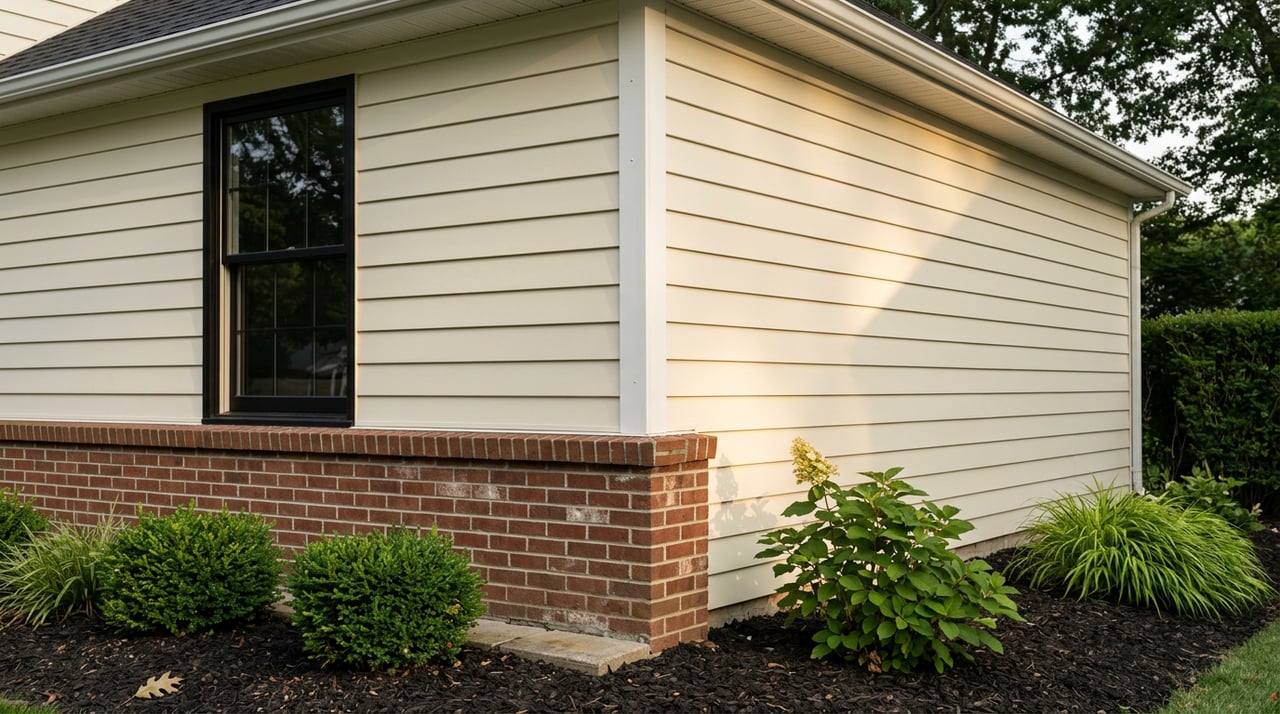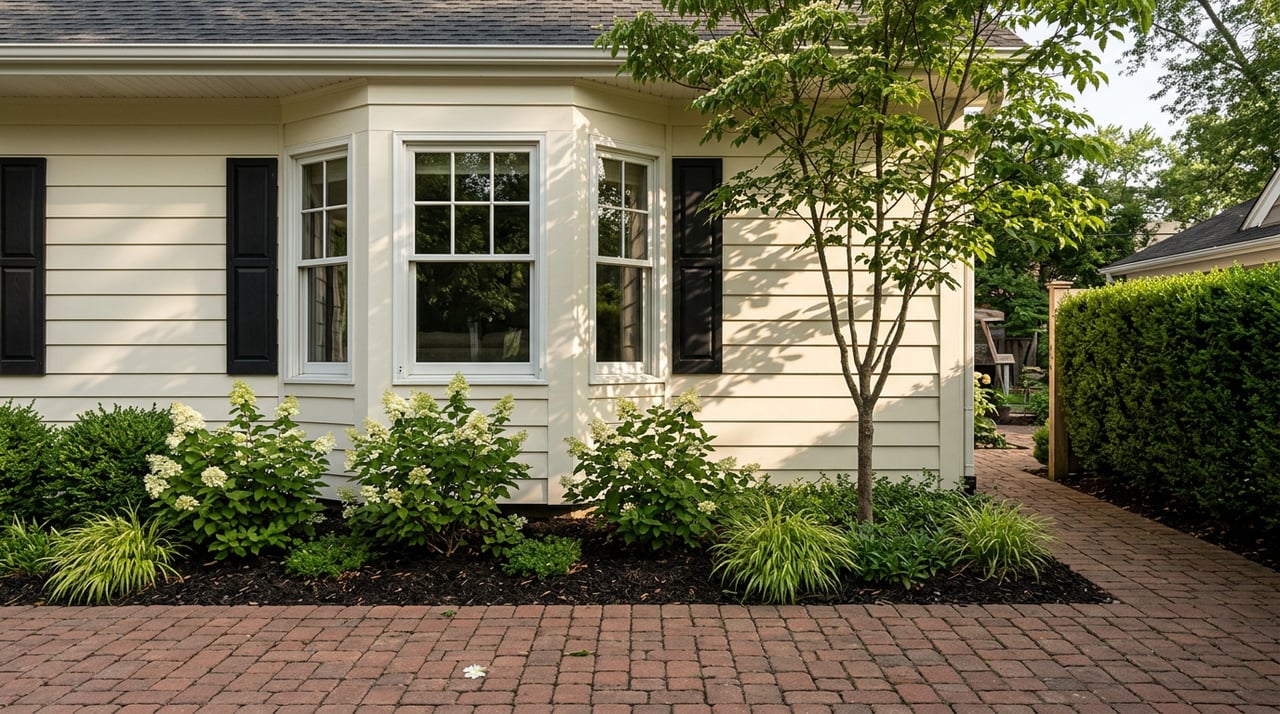
Thinking about selling a Charles County home with acreage? Buyers often decide how they feel about your property before they even reach the front door. If you own pasture, woods, or waterfront, smart staging will help them see the lifestyle and the value. In this guide, you’ll get practical, low-cost steps to showcase your land, connect your interior to the outdoors, and prepare the documents buyers expect. Let’s dive in.
Start outside: showcase the land
First impressions start at the road. A clean, easy approach sets the tone for the rest of the tour.
- Grade and refill gravel on the driveway, and repair potholes.
- Trim grass along edges and clear branches near sightlines.
- Refresh the mailbox and any signage, and define the turnaround or parking area.
- Mow fields and meadows to a tidy height and define a few simple walking paths.
Tree care matters. Remove hazardous limbs, trim low branches near structures, and rake leaf litter from main routes. Buyers pay attention to land health and safety from the first step.
Highlight uses buyers want
- Cleared acreage or paddocks: Tighten up fencing, organize gates, and show a visible water source. Mulch or rototill garden beds to suggest a ready-to-plant area.
- Wooded lots: Cut a short, safe loop trail and create a small viewpoint. Keep the natural feel while making the space easy to explore.
- Waterfront parcels: Open sightlines to the water and tidy the dock area if you have one. Keep shoreline plantings native and stable to show care and compliance. For guidance on shoreline buffers and critical areas, review resources from the Maryland DNR.
- Potential build sites: If allowed, mark a possible building envelope and note where the well and septic field sit in relation to it.
Create outdoor rooms buyers can feel
Help buyers see how they will live on the land without overspending.
- Define areas: a small patio, grill corner, simple firepit, and a play or pet space.
- Add easy accents: potted plants, mulch around entries, and a neutral outdoor seating set.
- Clean up outbuildings: Power-wash or paint barns and sheds, clear junk, and show organized storage. A tidy arena or corral signals functional space.
Safety and function win trust
- Improve drainage so water moves away from the house and fix any ponding near the foundation.
- Repair gates and hinges, and show clear boundaries for animals.
- Address pests: remove brush near living areas and show evidence of recent tick prevention.
- Clarify access: note whether roads are private or public and who maintains them.
Connect the interior to the land
Your rooms should make outdoor living feel easy and natural.
Stage hardworking entries and mudrooms
Create a true transition zone. Add a bench, hooks, boot trays, and washable mats. If your laundry is nearby, highlight capacity and storage. Land buyers expect to manage boots, gear, and pets.
Bring the outdoors in
Maximize natural light and views. Clean windows and keep frames in good repair. Use neutral, nature-inspired decor like linen and wood tones, and avoid dated rural themes. Durable flooring such as tile, vinyl plank, or sealed hardwood can be a selling point in high-traffic areas.
Show functional spaces for land living
- Workshop or garage: Clear space to show tool storage, a workbench area, and power access. Label outlets if helpful.
- Gear flow: Keep the pathway from garage to mudroom clear, with hooks and bins on display.
- Kitchen utility: Stage durable prep zones and space for canning or large-batch cooking if it fits your home.
Frame the lifestyle in photos and tours
Use interior shots that include window views of pasture, woods, or water. Stage one room to tell a land story, like a bright mudroom set up for chores or a sunroom that overlooks a paddock. Keep surfaces clutter-free so buyers can imagine their own gear.
Plan for seasons in Charles County
Charles County sits in approximately USDA zones 7a–7b, which means late frosts can happen and warm-season grasses thrive in summer.
- Spring: Peak curb appeal. Mulch, plant containers, and shoot exterior photos when trees leaf out but grass is manageable.
- Summer: Focus on shade and ventilation for showings. Keep fields trimmed and outdoor seating in shaded areas.
- Fall: A close second for listing. Clear leaves on paths and showcase firepit or patio spaces.
- Winter: Keep driveways plowed and walkways safe. Emphasize cozy interiors and clean window views to the land.
Prepare documents buyers expect
Proactive paperwork reduces friction and builds confidence.
Disclosures and records
- Deed, recent survey, and plat showing boundaries and any rights-of-way.
- Septic and well records, permits, and maintenance history.
- Any conservation easements, agricultural preservation, or critical area info.
- Invoices for recent tree work and hazard assessments.
Floodplain, wetlands, and shoreline
Check your flood status early using the FEMA Flood Map Service Center. If your property includes streams or shoreline, review any riparian setbacks or critical area rules with the Maryland DNR. Buyers often ask whether portions of the land are buildable or limited by wetlands.
Septic systems, wells, and utilities
Buyers will request inspection records, system age, and drainfield locations. The Maryland Department of the Environment provides helpful onsite sewage guidance. Provide recent well potability tests and note any treatment systems. Clarify if your road is private or public and who handles plowing or repairs.
Zoning, easements, and permitted uses
Confirm allowed uses and accessory structures with Charles County Planning and Zoning. Clearly identify any access or utility easements and shared driveways so there are no surprises later.
Smart pre-listing checks
- Septic pump and inspection, plus minor fixes if needed
- Well water test
- Tree hazard assessment near structures and paths
- Driveway, culvert, and grading review
- Shoreline or erosion review for waterfront parcels
Marketing that sells acreage
Great acreage marketing makes scale and usability obvious from the first click.
Photography and aerial media
Use wide-angle, high-resolution images that show the house with the land around it. Drone photos and video help buyers grasp boundaries, outbuildings, and features. Before flying, review FAA drone guidance and any local restrictions. Include a simple labeled aerial or plat image in your listing to orient buyers.
Guided showings that tell the story
Offer a short property tour that includes access points, pastures, garden plots, outbuildings, and any likely build sites. Provide a property packet with the survey, septic and well info, past tax bills, and a summary of relevant local ordinances.
Budget priorities and likely ROI
Focus first on low-to-moderate-cost items with high impact:
- Driveway cleanup and entrance definition
- Clearing sightlines to views or water
- Power-washing or painting the house and outbuildings
- Fence and gate repair, plus junk removal
- Basic landscaping around key living areas
Consider moderate investments when they complete the story, like a simple patio or firepit and professional drone media. Reserve big grading or landscape projects for issues that affect safety, drainage, or unlock significant usable space.
Quick pre-listing checklist
- Gather the latest survey or plat and any easement documents.
- Complete septic inspection and well water testing; collect maintenance records.
- Check FEMA flood maps and note any flood zone and insurance requirements.
- Repair and grade the driveway; clear entrances and primary sightlines.
- Trim hazard branches and create a safe walking loop.
- Power-wash or paint exterior and outbuildings; tidy barns and sheds.
- Stage a functional mudroom with seating, hooks, and boot storage.
- Define at least one outdoor living area with basic seating.
- Schedule professional exterior and aerial photos where permitted.
- Assemble a property information packet for showings.
Ready to make acreage your advantage? With the right staging, buyers will feel how your land supports the life they want. If you would like a custom plan and a listing strategy that highlights every acre, connect with Amy Scott for local, owner-led guidance.
FAQs
What are the best low-cost staging upgrades for acreage in Charles County?
- Focus on driveway repairs, clearing sightlines, power-washing outbuildings, light landscaping near entries, and organizing barns or sheds.
How should I stage a waterfront property along the Potomac?
- Open sightlines to the water, keep shoreline plantings stable and native, ensure docks are safe and tidy, and review shoreline guidance from the Maryland DNR.
What septic and well documents do buyers expect in Maryland?
- Provide recent septic pump and inspection records, drainfield location, system age, recent well potability tests, and any permits or maintenance logs.
How do I address flood zones and wetlands before listing?
- Check your status on the FEMA Flood Map Service Center, note any insurance needs, and identify wetland or buffer limits that could affect use or development.
Do I need drone photos to sell a home with land?
- Drone media is often worth it for acreage because it shows scale and features; if used, follow FAA rules and include a labeled aerial or plat for context.
What is the best season to list a land property in Charles County?
- Spring and early fall usually offer the strongest curb appeal, while winter showings should focus on cleared access and cozy interiors with clean views.