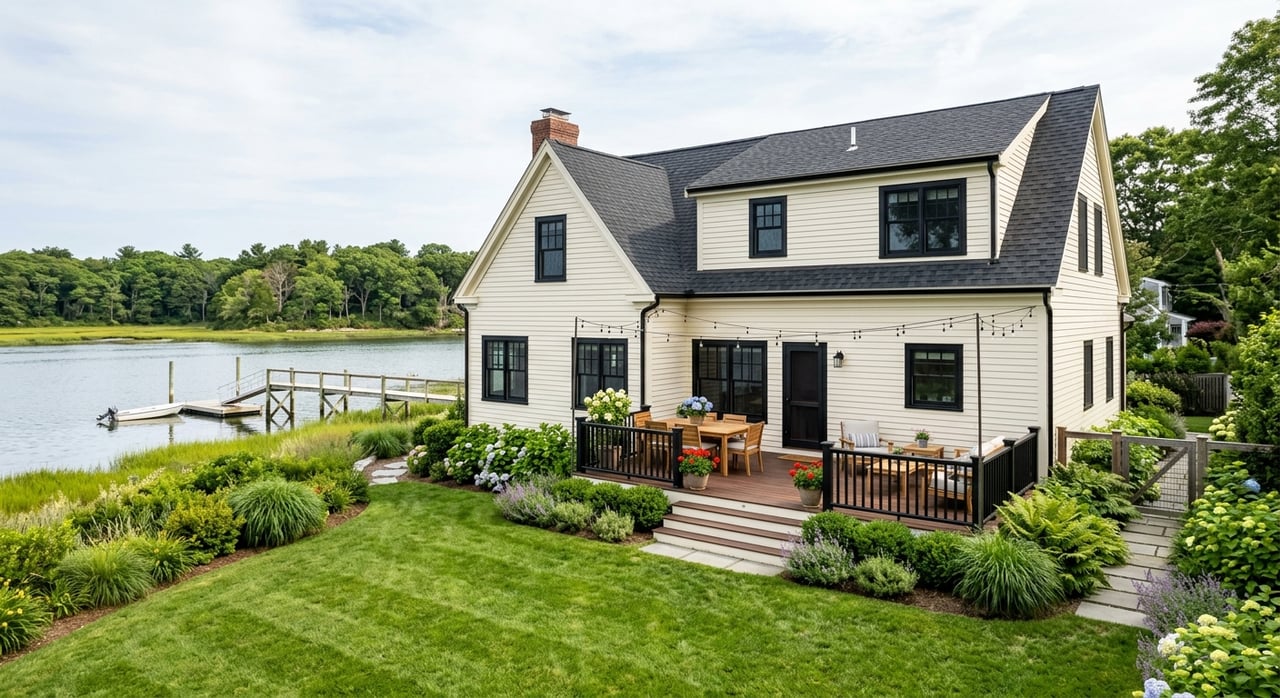
Wondering what “waterfront living” really means in St. Mary’s County? It is not just about a pretty view from the back deck. In this part of Southern Maryland, living near the water often means easier access to launches, parks, seafood spots, boating routines, and the everyday rhythm of tides and weather. If you are thinking about buying, selling, or simply learning the area, this guide will walk you through what waterfront life here actually looks like. Let’s dive in.
Waterfront in St. Mary’s County Feels Broad
St. Mary’s County is shaped by water on multiple sides, with the Patuxent River, Potomac River, and Chesapeake Bay helping define the region. County tourism materials highlight more than 500 miles of shoreline, along with lighthouses, waterside communities, and a strong maritime identity. That gives waterfront living here a wider feel than in places built around one single shoreline strip.
Instead of one continuous bayfront scene, you will find tidal rivers, creeks, marshes, inlets, and smaller pockets of shoreline access spread throughout the county. That layout makes the experience feel more local and lived-in. For many residents, the water is part of daily life rather than just a weekend backdrop.
Daily Life Often Centers on Access
A big part of waterfront living in St. Mary’s County is simply being able to get out on the water without much planning. Official local guides point to boating, fishing, kayaking, canoeing, marinas, boat launches, and water excursions as part of the area’s regular outdoor lifestyle. If you enjoy being outside, that kind of access can shape how you spend your mornings, weekends, and evenings.
The county has public access points in several communities, which helps make waterfront living feel connected rather than isolated. Examples include Leonardtown Wharf Park, Camp Calvert Landing, Abell’s Wharf, Fox Harbor Landing, Great Mills Canoe & Kayak Launch, and Greenwell State Park Landing. These sites are spread across places like Leonardtown, Hollywood, Ridge, Piney Point, Bushwood, Great Mills, Mechanicsville, and Avenue.
Many of these launch areas include practical features like piers, floating docks, boat slips, or canoe and kayak access. That matters because in St. Mary’s County, convenience often shapes the waterfront experience as much as the view. Being near the water is one thing, but being able to use it easily is what often changes your routine.
Parks and Day Trips Expand the Lifestyle
Waterfront living here also blends with local parks and easy day-trip recreation. St. Mary’s County highlights places like Point Lookout State Park, St. Clement’s Island State Park, St. Mary’s River State Park, and Greenwell State Park as part of its broader water-access network. That gives residents more than one way to enjoy the shoreline.
You might spend one day launching a kayak and another walking near the water, visiting a historic site, or enjoying a beach setting. That variety is part of the appeal. The lifestyle is not limited to private docks or large waterfront estates.
Tides and Weather Shape the Routine
One of the most practical parts of living near the water in St. Mary’s County is learning to pay attention to the conditions. The county’s public-launch guidance notes that local creeks and estuaries are tidal, and it directs users to Maryland tide information before heading out. In simple terms, the water does not behave the same way every day.
That means your routine may start to revolve around timing, weather, and water levels. If you boat, paddle, or fish, those details can affect where and when you go. For many residents, that becomes a normal part of waterfront life rather than a burden.
The Waterfront Culture Is Social Too
Living near the water in St. Mary’s County is not only about recreation. It also shows up in how people gather, eat, and celebrate local traditions. Visit St. Mary’s highlights waterfront restaurants where you can arrive by boat, along with outdoor decks, seafood, and Maryland blue crabs in season.
That local culture carries over into community events as well. Official tourism pages feature the Blessing of the Fleet at Leonardtown Wharf, RiverFest at Historic St. Mary’s City, the annual U.S. Oyster Festival, and National Lighthouse Weekend at Piney Point Lighthouse Museum. These events help show that waterfront life here is tied to history and community, not just private property.
Waterfront Homes Need More Than a Good View
If you are shopping for a waterfront home, one of the biggest questions is access. A home may sit near the water, but that does not automatically mean it has a pier, a dock, or the right approvals in place for future improvements. In St. Mary’s County, those details matter.
The county states that all development in state waters and tidal wetlands requires authorization from the Maryland Department of the Environment. The county also requires approval for piers and structures at or above mean high water. In addition, each legally subdivided lot or parcel of record may have one pier, subject to setbacks and other limits.
For buyers, that means you should look beyond the listing photos. Ask whether the property already has water-access infrastructure, what approvals exist, and whether any future additions may be limited. A great waterfront property is often defined by what you can legally and practically do with it.
Site Features Can Matter Every Day
In this market, practical features often carry real value. Waterfront-oriented homes may be shaped by things like piers, floating docks, boat slips, shoreline stabilization, and space for gear. Even if you are not a serious boater, it helps to think about how the property supports day-to-day use.
Storage for kayaks, room for trailers, covered outdoor space, and hose-down areas can all make waterfront ownership easier. These may sound like small details, but they often affect how comfortably you use the property. In many cases, function matters just as much as scenery.
Critical Area Rules Can Affect Improvements
Another major consideration is whether a property is in Maryland’s Critical Area. State guidance says the Critical Area includes land within 1,000 feet of tidal waters and tidal wetlands. That can affect what owners may do with improvements, vegetation clearing, and site work.
If you are considering updates or long-term plans for a waterfront lot, this is an important step in your due diligence. A property may offer opportunity, but the rules may shape how that opportunity looks in practice. Understanding those limits early can help you avoid surprises later.
Water and Sewer Deserve a Close Look
Utilities are another key part of waterfront decision-making in St. Mary’s County. County planning documents note that MetCom provides public water and sewer service in some areas, while rural parts of the county primarily rely on onsite septic systems. Waterfront buyers should never assume which setup a property has.
This can affect both cost and future plans. If you are thinking about renovations, additions, or long-term ownership expenses, it is smart to confirm the utility situation early. It is one of those behind-the-scenes details that can have a big impact.
Floodplain Review Is Part of the Tradeoff
Waterfront living has clear lifestyle benefits, but it also comes with practical responsibilities. The county floodplain office says permits are required before work in flood hazard areas, including filling, grading, new construction, substantial improvements, or watercourse alterations. The county also prohibits the creation of new flood-prone building sites in subdivisions governed by the county zoning ordinance.
For buyers, this does not mean every waterfront property is a problem. It means you should approach the property with a clear understanding of what may be required for future work. For sellers, it is a reminder that informed preparation can help your home stand out to serious buyers.
Shoreline Erosion Is a Real Ownership Issue
Erosion is another reality of owning near the water. Maryland DNR says living shorelines can help protect property from erosion while maintaining natural coastal processes and habitat. The county also notes that DNR may provide funding and project-management assistance for homeowners dealing with erosion.
This matters because shoreline maintenance is part of stewardship in a waterfront setting. If you own or plan to buy near the shore, it helps to know that protecting the property may involve both planning and ongoing care. Waterfront living here is often as much about managing the land responsibly as enjoying the water itself.
Public Access Rules Shape Local Etiquette
Even public waterfront access comes with its own rhythm and rules. County landings are closed from sunset to sunrise except for loading and unloading boats. Overnight parking, camping, night fishing, open fires, alcohol, and glass containers are prohibited.
These rules help shape the everyday etiquette around the water. If you live nearby, they become part of the normal routine. They also help set expectations for how shared waterfront spaces are used throughout the county.
What the Tradeoff Really Looks Like
In St. Mary’s County, waterfront living is rarely just about luxury. The upside is easy access to boating, paddling, fishing, parks, local seafood, and maritime traditions that run through community life. The tradeoff is that you may also need to think about tides, permits, floodplain review, shoreline maintenance, and utility or septic questions.
For many buyers, that tradeoff is worth it because the lifestyle feels grounded and real. It is less about showing off a view and more about using the water, respecting the setting, and enjoying a part of Southern Maryland that is closely tied to place. That is what makes waterfront living here distinct.
If you are trying to decide whether a waterfront home in St. Mary’s County fits your goals, local guidance can make all the difference. Whether you are comparing access, reviewing property details, or preparing to sell a waterfront home, working with someone who understands the local market can help you move forward with confidence. Reach out to Amy Scott for personalized, local guidance.
FAQs
What does waterfront living in St. Mary’s County usually feel like?
- Waterfront living in St. Mary’s County usually means access to tidal rivers, creeks, marshes, parks, launches, and bay-oriented recreation, not just one continuous waterfront strip.
Where can you get on the water in St. Mary’s County?
- Public access points include Leonardtown Wharf Park, Camp Calvert Landing, Abell’s Wharf, Fox Harbor Landing, Great Mills Canoe & Kayak Launch, and Greenwell State Park Landing, along with state parks and other public landings throughout the county.
Can you add a dock or pier to a waterfront property in St. Mary’s County?
- It depends on the property and approvals, because development in state waters and tidal wetlands requires Maryland Department of the Environment authorization, county approval is required for certain structures, and pier limits and setbacks apply.
What should buyers check before buying a waterfront home in St. Mary’s County?
- Buyers should confirm water access, existing pier or dock status, whether the property is in the Critical Area, whether it is served by public water and sewer or septic, and whether floodplain or shoreline issues may affect ownership.
Are there special rules for waterfront properties in St. Mary’s County?
- Yes, waterfront properties may be affected by Critical Area rules, floodplain permit requirements, shoreline regulations, and county or state approvals for certain improvements.
What are the main tradeoffs of waterfront living in St. Mary’s County?
- The main tradeoffs are balancing recreation and lifestyle benefits with practical issues like tide awareness, floodplain review, shoreline erosion planning, and utility or septic due diligence.