Wondering whether Calvert County’s beach towns or its inland neighborhoods are a better fit for your next move? It is a smart question, because in this county, your day-to-day lifestyle can change a lot depending on where you land. If you are weighing walkable waterfront living against more space and a quieter inland feel, this guide will help you compare the tradeoffs with confidence. Let’s dive in.
How Calvert County Splits Up
In Calvert County, the “beach town vs. inland” choice is not just about distance to the water. It also reflects how the county is organized and how different areas developed over time.
The clearest municipal beach towns are North Beach and Chesapeake Beach, both located on the Chesapeake Bay in the northeast corner of the county. Beyond those, Calvert also has unincorporated waterfront communities such as Plum Point, Dares Beach, Cove Point, Randle Cliff Beach, Summer City, Scientists Cliffs, Calvert Beach, Long Beach, and Broomes Island.
Inland living usually refers to town centers and surrounding neighborhoods like Dunkirk, Owings, Huntingtown, Prince Frederick, and nearby residential areas. These places tend to offer a different pattern of housing, services, and commuting access than the more compact waterfront communities.
Beach Town Living in Calvert County
If you picture morning walks near the Bay, local events, and a more compact neighborhood pattern, the beach towns may feel like home. North Beach and Chesapeake Beach offer the strongest version of that lifestyle in Calvert County.
North Beach stands out for walkability. The town describes shopping, restaurants, salons, the pier, boardwalk, beach, and special events as being within walking distance, and its community calendar includes a seasonal farmers’ market, summer movies on the beach, and festivals.
Chesapeake Beach offers a similar waterfront setting with a slightly more resort-oriented identity. The town highlights waterfront dining, parks, local businesses, year-round events, and the Chesapeake Beach Railway Trail, which connects business and recreation areas and is described as bike- and wheelchair-accessible.
What homes often look like
In Chesapeake Beach, land-use guidance describes residential areas as cottage-style neighborhoods along with family-oriented subdivisions. The town’s housing mix includes a notable share of both single-family detached homes and attached housing such as townhouses.
That matters if you want a home with a more compact footprint and lower-maintenance lot. In many coastal parts of Calvert, the appeal comes from tighter street grids, smaller lots, and homes that feel closely connected to the waterfront setting.
North Beach and other waterfront communities also tend to reflect older development patterns. County information describes many waterfront communities as clustered, small-lot areas that developed before many of today’s environmental and health regulations were in place.
Why buyers choose the beach towns
For many buyers, the draw is simple: lifestyle first. You are choosing immediate access to the Bay, a more walkable setting, and a calendar that often feels centered on outdoor recreation and community events.
That can be especially appealing if you want a home that feels connected to local businesses and public gathering spaces. It may also suit buyers who prefer a smaller property footprint in exchange for being close to the water.
Inland Neighborhood Living in Calvert County
If your priority is more land, more privacy, or a more traditional suburban or semi-rural setting, inland Calvert may make more sense. Places like Huntingtown, Prince Frederick, Dunkirk, and Owings often appeal to buyers who want room to spread out.
In Huntingtown, county survey results describe an area with large-lot homes and some farms. Residents consistently pointed to a quiet, rural atmosphere, open space, and preserved farmland as defining features of the area.
Prince Frederick offers a different inland option. It is the county’s commercial and civic center, with the highest concentration of commercial activity among Calvert’s town centers, plus shopping, government services, and access to CalvertHealth Medical Center’s main campus.
What homes often look like
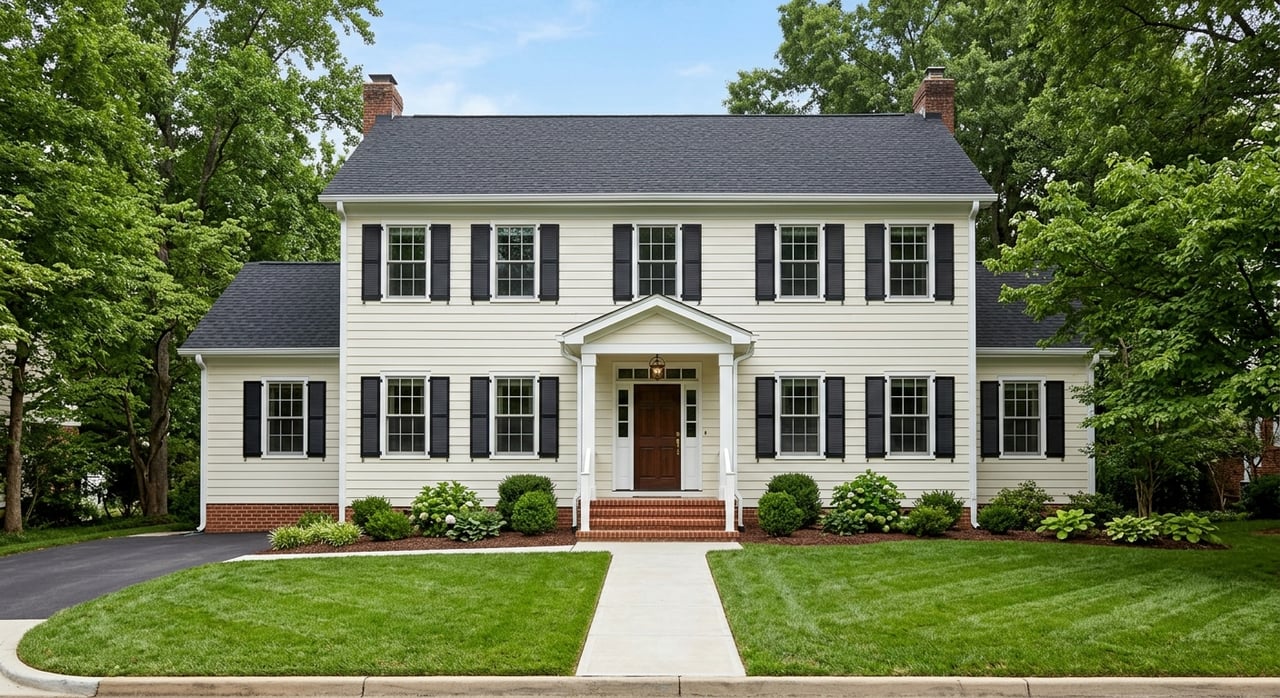
Inland neighborhoods usually feel less compact than the beach towns. Prince Frederick’s planning materials describe the area as being made up mostly of single-family dwellings, with a smaller share of townhouses and apartments.
County zoning guidance also gives a useful clue about lot expectations. Outside town centers, single-family detached lots are generally one acre under current regulations, while draft regulations point to smaller minimums in designated residential and rural neighborhood districts depending on location and utility access.
For buyers, the practical takeaway is that inland areas often provide larger lots and more breathing room, though exact lot size still depends on the specific neighborhood, zoning, and whether the property is closer to a town center.
Why buyers choose inland areas
Inland neighborhoods often fit buyers who want flexibility in how they live day to day. You may have more yard space, more separation from neighbors, and a setting that feels quieter and less seasonal.
These areas can also be a better match if your routine revolves around errands, medical services, and road access rather than waterfront recreation. In Prince Frederick especially, centralized services are a major advantage.
Comparing Commutes and Daily Convenience
Commute planning in Calvert County is about more than mileage. Your experience often depends on access to MD 2, MD 4, and commuter-bus pickup points.
Calvert County offers weekday commuter-bus service through the Maryland Transit Administration to Washington, D.C., the Suitland Federal Center, and Metro connections into Montgomery County and Northern Virginia. Route 820 includes stops at the North Beach Municipal Lot, Owings, and Bristol Park and Ride, while other express routes serve locations including Sunderland, Dunkirk, and Prince Frederick.
County transportation information also notes that MD Route 2 connects with U.S. 50/301, while MD Route 4 connects with U.S. 301 and the Capital Beltway. That makes northern and inland locations worth a closer look if you commute regularly toward the Beltway, Washington, or Northern Virginia.
A practical commute takeaway
Even if you love the beach-town lifestyle, Calvert County remains largely car-dependent overall. Planning documents for Prince Frederick state that the personal automobile will continue to be the predominant mode of transportation in the county.
So if you are choosing between beach and inland living, think carefully about your weekly routine. A waterfront address may offer charm and recreation, while an inland location may save time on regular drives and make daily logistics easier.
Lifestyle Tradeoffs That Matter Most
The best choice usually comes down to how you want to live, not just what type of house you want. In Calvert County, beach towns and inland neighborhoods each come with clear strengths.
Beach towns may fit you if you want:
- Walkable access to restaurants, shops, events, trails, or the Bay
- A compact neighborhood setting
- Smaller lots or attached-home options
- A lifestyle centered on waterfront recreation and community events
Inland areas may fit you if you want:
- Larger lots and more open space
- A quieter suburban or semi-rural feel
- Easier access to centralized shopping, medical care, and civic services
- A location that may work better for regular commuting patterns
Coastal Property Factors to Review Carefully
If you are leaning toward a waterfront or near-water property, it is important to understand the extra layers that may come with it. County guidance says many waterfront communities face increased risk of flooding or cliff erosion.
The county also notes that these areas often rely on wells and septic systems and may have limited future development potential. In some cases, properties are located in regulated floodplain areas.
That does not mean waterfront living is the wrong choice. It means you should go in with clear expectations and careful due diligence, especially if long-term maintenance, insurance considerations, lot limitations, or property improvements are part of your plan.
So Which Part of Calvert County Fits You?
If you want a home where the setting itself shapes your lifestyle, North Beach or Chesapeake Beach may be the right place to start. If you want more land, a more conventional residential pattern, or easier access to services and major routes, inland communities like Prince Frederick, Huntingtown, Dunkirk, or Owings may be a better fit.
The good news is that Calvert County offers both experiences within one market. That gives you real flexibility, whether you are buying your first home, moving up, relocating, or looking for a property that better matches the way you live now.
If you want help comparing neighborhoods, commute patterns, lot types, or waterfront considerations in Calvert County, Amy Scott can help you sort through the details and find the right fit for your goals.
FAQs
What are the main beach towns in Calvert County?
- The main incorporated beach towns are North Beach and Chesapeake Beach, both located on the Chesapeake Bay.
What inland areas should home buyers consider in Calvert County?
- Common inland areas to consider include Prince Frederick, Huntingtown, Dunkirk, and Owings, along with surrounding residential neighborhoods.
Are Calvert County beach towns more walkable than inland neighborhoods?
- In general, yes. North Beach is the clearest example, with the town identifying shops, restaurants, the beach, boardwalk, and events within walking distance.
Do inland Calvert County homes usually have larger lots?
- Often, yes. County planning and survey materials point to larger lots and a more open, rural or suburban pattern in areas like Huntingtown and parts of inland Calvert.
What should buyers know about waterfront homes in Calvert County?
- Buyers should pay close attention to flooding risk, cliff erosion risk, well and septic systems, floodplain status, and limits on future development in some waterfront communities.
Is Calvert County a car-dependent area?
- Yes. While some beach-town areas are more walkable, county planning documents state that personal automobiles remain the predominant mode of transportation in Calvert County.
Which Calvert County areas may work better for commuters?
- Buyers who commute often may want to compare access to MD 2, MD 4, and commuter-bus stops in places such as North Beach, Owings, Dunkirk, and Prince Frederick.