Selling your home in Charles County can feel like a lot to juggle, especially when you are trying to prepare for both showings and the appraisal at the same time. The good news is that you usually do not need two completely different game plans. If you focus on cleanliness, access, visible upkeep, and solid documentation, you can make the home easier for buyers to picture and easier for an appraiser to evaluate. Let’s dive in.
Why showings and appraisals overlap
Showings and appraisals have different goals, but they often reward the same preparation. Buyers are usually reacting to first impressions, layout, comfort, and whether the home feels cared for. Appraisers are looking at the property’s condition, features, location, and how it compares with similar local sales.
That means your prep does not need to be flashy to be effective. A clean, organized, well-maintained home can support buyer confidence and help the appraiser complete a clear visual review of the property. In many cases, simple work matters more than expensive updates.
Focus on what appraisers notice
An appraisal is an independent opinion of value. It generally considers the home’s characteristics, condition, maintenance, landscaping, and local market trends, along with comparable sales.
Appraisers also need access to the home’s visible areas. Traditional appraisals require a complete visual inspection of accessible spaces, so blocked-off rooms or locked utility areas can create problems or lead to notes about inaccessible areas.
Condition matters more than perfection
You do not need a model home to support a solid appraisal. What matters most is that the home appears maintained and functional, with no obvious signs that routine upkeep has been ignored.
Small visible defects can have an outsized effect because they draw attention. A dripping faucet, missing trim, damaged screens, loose handrail, or broken light fixture may seem minor, but together they can signal deferred maintenance.
Accessibility helps the process
Make it easy for the appraiser to move through the property. Every room, closet, attic, basement, garage, and utility area should be reachable.
If your home has systems that are not obvious, such as a septic location, well equipment, water-treatment equipment, or access points for crawl spaces, it helps to have that information ready. This is especially useful in Charles County, where homes with acreage or private systems are common.
Prepare for buyers with a clean, neutral look
Showings are about helping buyers focus on the house itself. According to the National Association of Realtors’ 2025 staging findings, 83% of buyers’ agents said staging helps buyers visualize a home as their future home.
That does not mean you need to rent designer furniture. In most cases, the highest-value steps are decluttering, whole-home cleaning, and improving curb appeal.
Start with decluttering
Remove anything that makes rooms feel crowded or distracts from space and function. Think extra furniture, overflowing counters, packed shelves, and piles in corners.
A simpler look helps buyers see room size, storage, and layout more clearly. It also makes your home easier to photograph and easier to walk through during showings.
Depersonalize without making it cold
You want buyers to imagine themselves living there. That is easier when highly personal items are minimized.
Pack away most family photos, bold collectibles, and niche decor. Keep enough warmth so the home still feels inviting, but aim for a neutral backdrop.
Deep clean every surface
A clean home suggests good overall care. Pay close attention to kitchens, bathrooms, floors, baseboards, windows, light fixtures, and anything buyers tend to inspect up close.
Do not forget the details that affect smell and comfort. Trash bins, pet areas, laundry spaces, and refrigerators should all be fresh and clean before a showing.
Improve curb appeal in Charles County
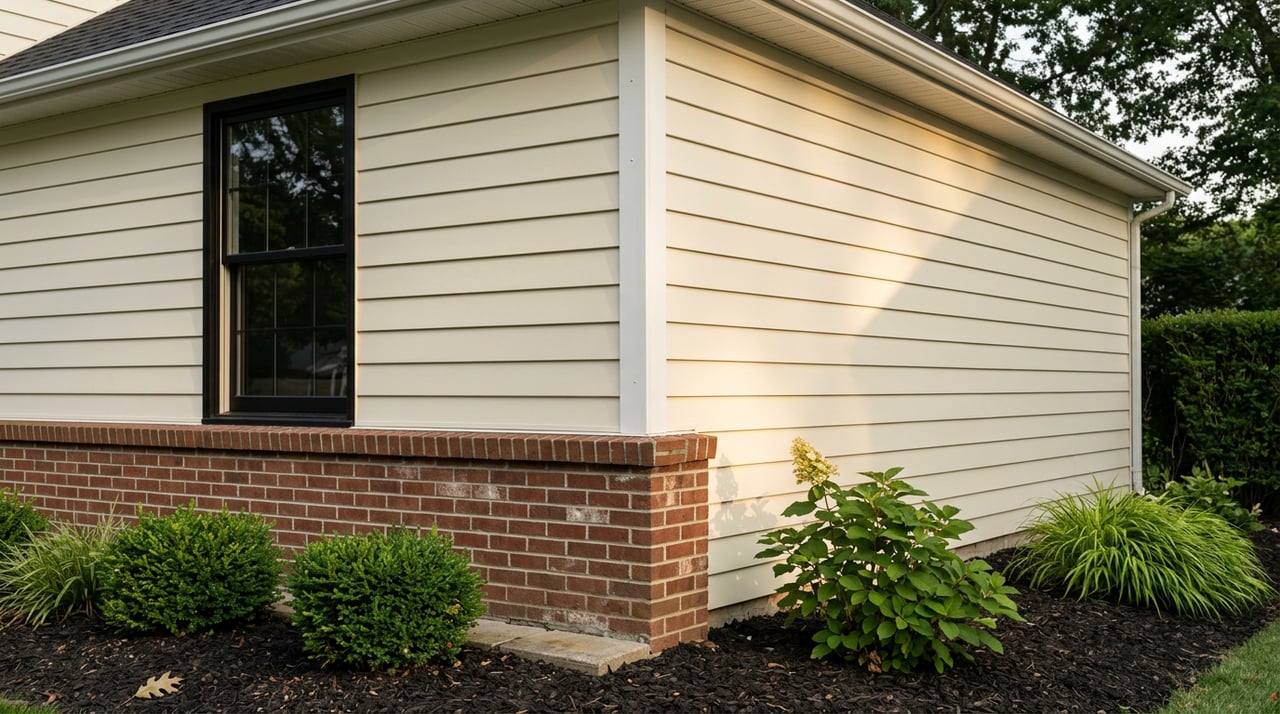
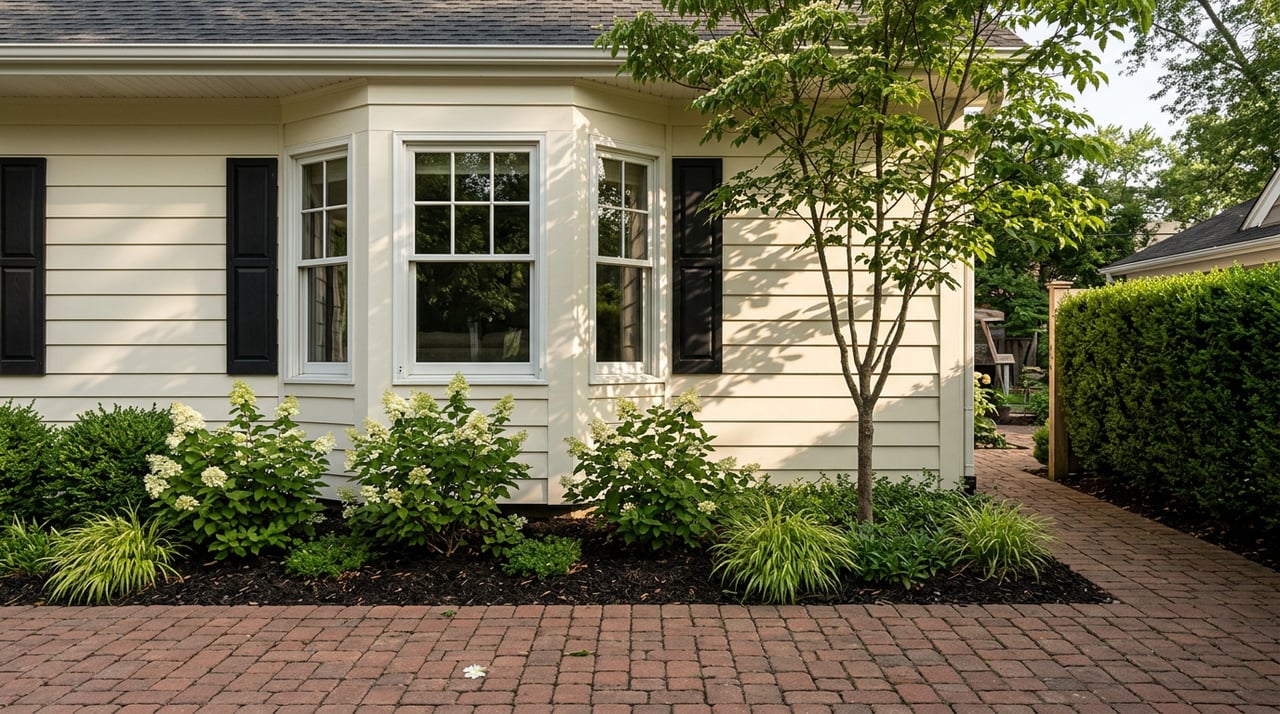
Your exterior sets the tone before anyone walks inside. Curb appeal is one of the most common seller prep recommendations, and landscaping is also part of how a property’s condition may be viewed in an appraisal.
In Charles County, this is especially important for homes with larger lots, longer driveways, or more visible outdoor infrastructure.
Prioritize simple exterior fixes
You do not need a major landscaping project. Focus on the basics that make the property look cared for and easy to approach.
Use this quick checklist:
- Mow the lawn
- Trim shrubs and overgrowth
- Clear walkways and porches
- Remove dead plants or yard debris
- Tidy entry areas
- Replace burned-out exterior bulbs
- Touch up peeling paint where visible
Pay attention to access and site features
If your property includes a shared driveway, private road, detached structures, or off-site utility features, make sure those areas are presentable and easy to understand. Homes with acreage or edge-of-county locations may have details that matter to both buyers and appraisers.
If something about access or maintenance is not obvious, documentation can help fill in the gaps.
Gather documents before the appraisal
Good records can support a smoother transaction. They also help answer questions quickly if buyers or the appraiser need clarification about repairs, systems, or property features.
This step is especially valuable in Charles County, where septic, well, private-road, and drainage questions may come up more often than in a more urban setting.
Key records to have ready
Try to gather these before listing or before the appraisal is scheduled:
- Maryland disclosure or disclaimer statement
- Invoices for repairs and contractor work
- Permit sign-offs and inspection records
- Warranties for roof, HVAC, plumbing, or electrical work
- Latest Charles County property tax bill
- Any SDAT assessment notice
- HOA, condo, or private-road documents if applicable
- Septic pump-out receipts and service records
- Well and water-treatment records if applicable
- Flood insurance or mitigation records if applicable
Why these records matter
Maryland sellers must provide either a disclosure or disclaimer statement, and the disclosure covers topics like water and sewer systems, structure, plumbing, electrical, wood-destroying insects, hazardous materials, smoke alarms, and carbon monoxide alarms. Because that form is based on your actual knowledge, supporting records can be helpful.
Tax and assessment paperwork can also be useful context. If you have a recent assessment notice, keep it with your file along with any other relevant ownership records.
Charles County septic and well prep
For many Charles County sellers, private systems are one of the most important prep areas. The county’s water and sewer planning guidance specifically addresses homeowners using individual well and septic systems in areas not planned for public service.
That means maintenance history and clear documentation can matter for both marketability and buyer confidence.
Septic records can strengthen your prep
Charles County’s septic reimbursement program says regular pump-outs are recommended every 3 to 5 years. Eligible residents may also qualify for a $100 reimbursement once every three years when program rules are followed.
If you have a recent pump-out receipt, keep it handy. A recent service record can help show that the system has been maintained.
Know where your system is located
If you are not sure where the septic tank is located, it is smart to figure that out before the appraiser or buyers arrive. Easy access and clear information can reduce confusion during due diligence.
The same applies to well equipment, treatment systems, and any shared or off-site utility arrangements. If public water or sewer are not available, the property’s private or community systems need to be available and viable.
Flood, drainage, and hazard-zone paperwork
If your home is near water, in a low-lying area, or in another hazard zone, preparation goes beyond cleaning and staging. Appraisal guidance requires hazard zones to be identified and considered for their effect on value and marketability.
This does not mean your home cannot sell well. It means you should be ready with clear records if they exist.
Helpful items to pull together
If applicable, gather:
- Flood insurance documents
- Drainage improvement records
- Elevation or mitigation paperwork
- Receipts for grading, drainage, or waterproofing work
Having these documents ready can help answer questions faster and reduce uncertainty once you are under contract.
What to do before each showing
Once your home is listed, day-to-day showing prep becomes the main task. The goal is to make the home feel clean, calm, and easy to tour on short notice.
A simple routine can keep you from scrambling every time a request comes in.
Quick showing checklist
Before you leave for a showing, try to:
- Open blinds or curtains for natural light
- Turn on a few key lights if needed
- Wipe kitchen and bath counters
- Put away dishes and daily clutter
- Take out trash
- Secure pets and pet items
- Make beds and straighten seating areas
- Check for odors
- Clear entryways and hallways
This routine supports a better showing experience and keeps the home ready if an appraiser visit is scheduled soon after.
What happens if the appraisal is low
A low appraisal can affect the sale even after you accept an offer. If the appraised value comes in below the contract price, the usual next step is renegotiation rather than expecting the lender to ignore the appraisal.
That is one reason prep still matters after you go under contract. A clean, accessible home and organized records may not guarantee a number, but they can help reduce confusion and support a clearer picture of the property.
A simple Charles County prep plan
If you want the short version, focus on the things that matter most. Clean thoroughly, fix visible issues, improve curb appeal, make every area accessible, and organize records for repairs, systems, and property access.
That approach fits both audiences. Buyers want to feel confident in what they see, and appraisers need a clear, well-documented view of the property.
When you are getting ready to sell in Charles County, practical preparation usually beats expensive last-minute projects. If you want personalized guidance on how to prepare your home for the market, connect with Amy Scott for local, hands-on advice.
FAQs
What should sellers in Charles County do before an appraisal?
- Focus on cleaning, decluttering, fixing small visible defects, improving curb appeal, providing access to all areas, and gathering records for repairs, septic, well, tax, and property access issues.
How is an appraisal different from a showing when selling a home?
- A showing is about buyer impression and helping someone picture living in the home, while an appraisal is an independent value opinion based on the home’s characteristics, condition, location, and comparable local sales.
What documents should Charles County home sellers gather before listing?
- Sellers should gather the Maryland disclosure or disclaimer statement, repair invoices, permits, warranties, tax and assessment paperwork, HOA or private-road documents, and septic, well, or flood-related records if those apply to the property.
Why are septic records important when selling a home in Charles County?
- Many Charles County homes use private septic systems, so pump-out receipts, service records, and system-location information can help show maintenance and answer buyer or appraisal questions.
Do sellers need to make big upgrades before showings and appraisal?
- Usually not. The strongest prep steps are often deep cleaning, decluttering, minor repairs, neutral presentation, and making the home easy to inspect and tour.